The Future of the Forest Product Industry Depends on the Next Generation
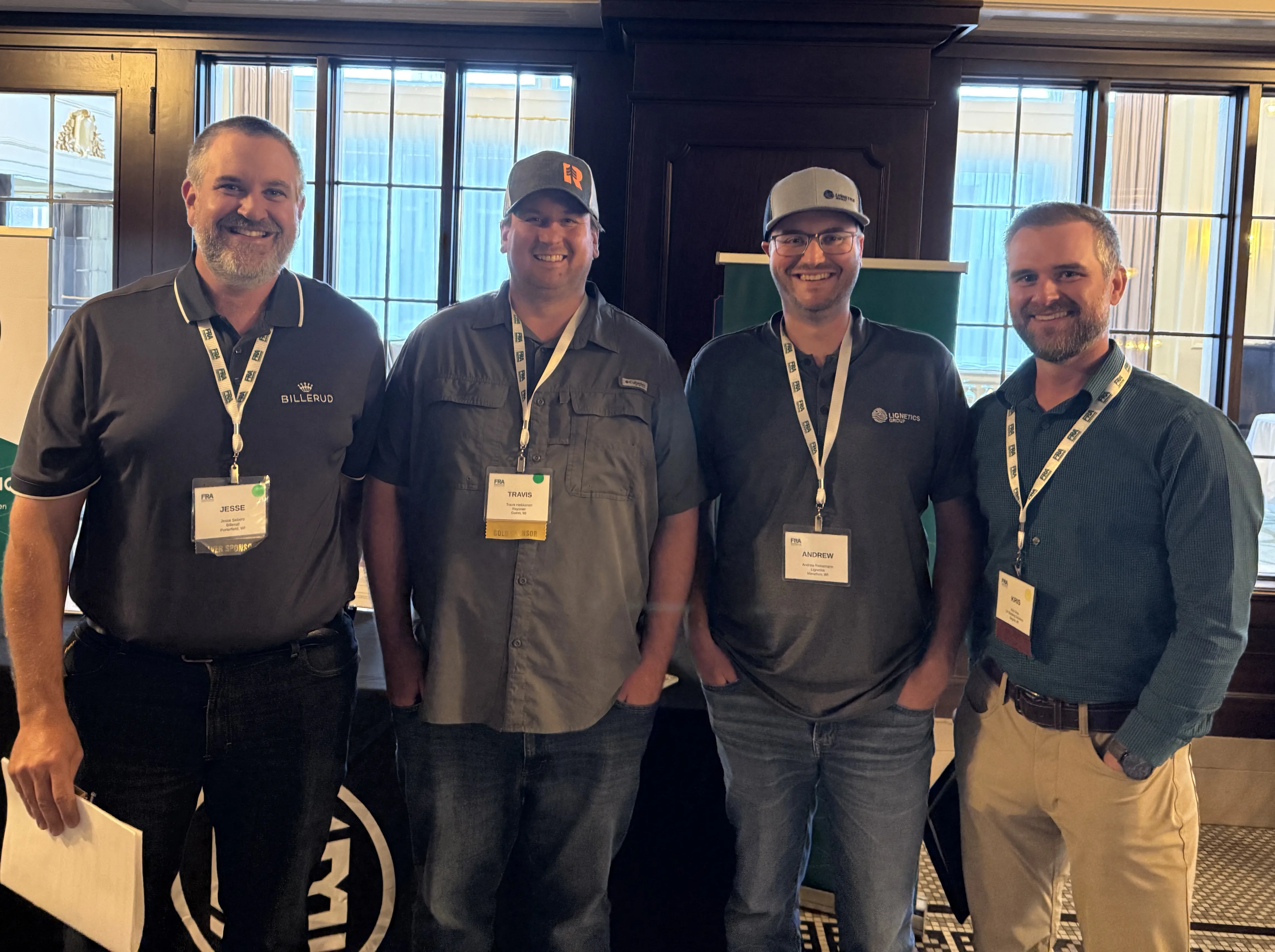
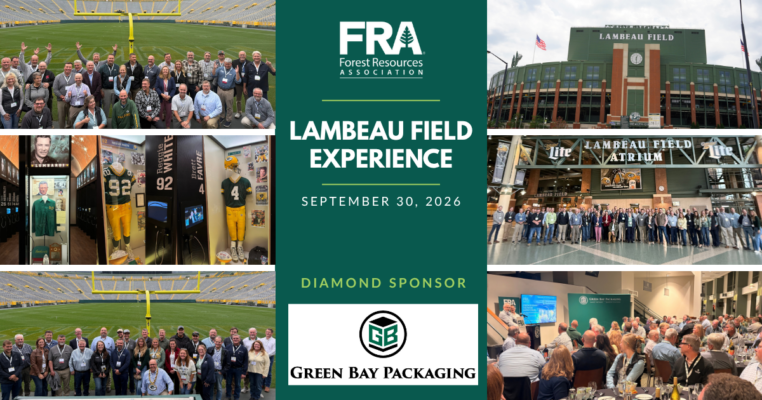
A few weeks ago, I had the opportunity to attend the 2026 Joint National and Lake States Region Fall Meeting in Green Bay, Wisconsin. Like many FRA events, it was an outstanding meeting filled with valuable presentations, meaningful discussions, and opportunities to connect with professionals from across the forest products supply chain. Attendees heard perspectives on public policy, wood supply, forest markets, transportation, sustainability, and the future of our industry, while also enjoying the networking and relationship-building opportunities that make FRA meetings so valuable.
As I reflected on the meeting afterward, one observation continued to stand out to me. We need more young professionals involved in FRA. To be clear, there were emerging leaders and first-time attendees present, and their participation was encouraging. The experience and institutional knowledge represented at FRA meetings is one of the Association’s greatest strengths. Many attendees have spent decades working in forestry, logging, transportation, manufacturing, procurement, consulting, and land management. Their insight is invaluable. At the same time, however, looking around the meeting rooms and networking events served as a reminder that many companies across our industry are facing significant retirements in the coming years. The next generation of leaders is already entering our workforce, taking on greater responsibility, and preparing to guide the future of their organizations. Soon, they will become the face of our industry. Are we doing enough to engage and develop those future leaders today?
One of FRA’s greatest strengths is its ability to bring together the entire forest products supply chain. At the Green Bay meeting, attendees had the opportunity to hear from industry executives, economists, association leaders, policymakers, researchers, and business professionals discussing issues that affect all of us. Those experiences are difficult to replicate elsewhere. For a young professional, attending an FRA meeting is about much more than sitting through presentations. It is an opportunity to better understand how the broader industry functions, learn about issues beyond their day-to-day responsibilities, build relationships with peers from across the country, and develop a deeper appreciation for the challenges and opportunities facing the forest products sector.
Many of us can point to people we first met through FRA who later became trusted colleagues, customers, suppliers, mentors, or friends. Those connections often become some of the most valuable outcomes of participation. While registration fees, travel costs, and time away from the field and office are legitimate considerations, leadership development is one of the most important investments a company can make. If we want the next generation to understand the value of FRA, we must find opportunities to give them opportunities to participate.
Involvement does not have to begin with a national meeting. Regional meetings offer accessible opportunities to connect with others in the industry, learn about important issues, and begin building professional networks. Regional steering committee participation provides another avenue for involvement, allowing newer professionals to contribute their perspectives while learning from experienced industry leaders. Sometimes engagement can begin with something even simpler: ensuring that FRA has a young employee’s contact information so they receive Woods to Mill articles, technical releases, webinar announcements, meeting notices, and other communications. The first step is often the most important one.
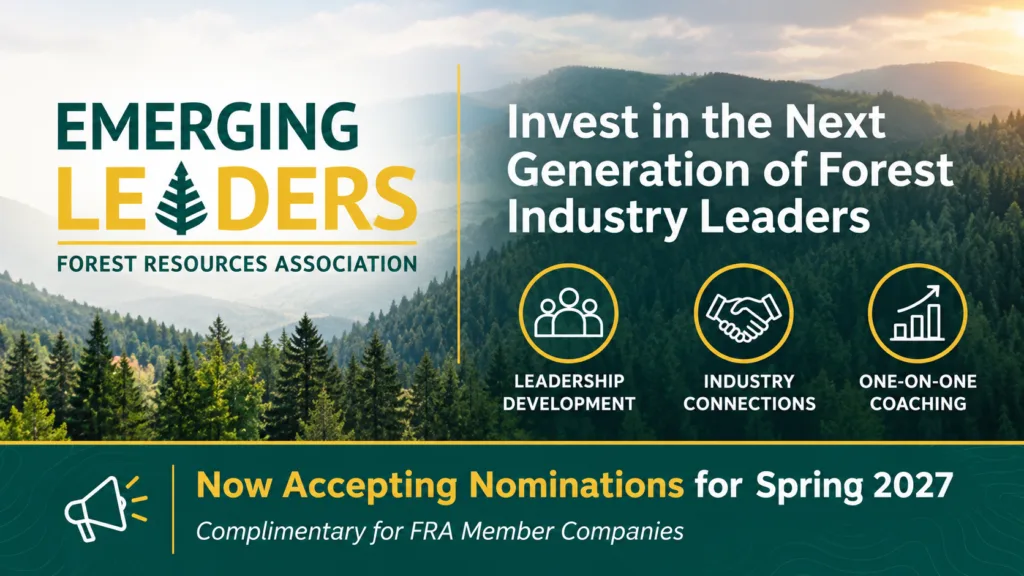
FRA also offers leadership development opportunities specifically designed for rising professionals. The FRA Emerging Leaders Program provides participants with leadership insights, industry perspectives, mentorship, coaching, and professional development through speaker sessions, small-group discussions, and one-on-one coaching. Led by Certified Professional Coach and FRA Past President Deb Hawkinson, the program is offered at no cost to FRA member companies and is designed to strengthen engagement while developing future leaders for our industry. Companies can nominate one or more emerging professionals to participate and gain valuable leadership skills while expanding their network throughout the forest products sector.
Just as importantly, FRA’s regional steering committees and national committees need new voices at the table. Young professionals bring fresh perspectives, technological expertise, new ideas, and different experiences that can help shape the future of the Association and the industry. Their input can help ensure FRA remains relevant to future generations while continuing to deliver value to its members.
I’d like to challenge our members to think about the promising young professionals within their organizations. Who would benefit from attending an FRA meeting? Who should be participating in a committee? Who should be receiving FRA communications? Who would be an excellent candidate for the Emerging Leaders Program? Most importantly, what can FRA do differently to better engage the next generation and demonstrate the value that involvement in an association like FRA can provide, both professionally and personally?
The forest products industry has always been built on relationships, mentorship, and the transfer of knowledge from one generation to the next. If we want FRA to remain strong for decades to come, we must intentionally create opportunities for emerging leaders to become involved today. The future leaders of our industry are already here. Our job is to make sure they are welcomed, engaged, and prepared to lead.