67th Annual Southern Forestry Conclave
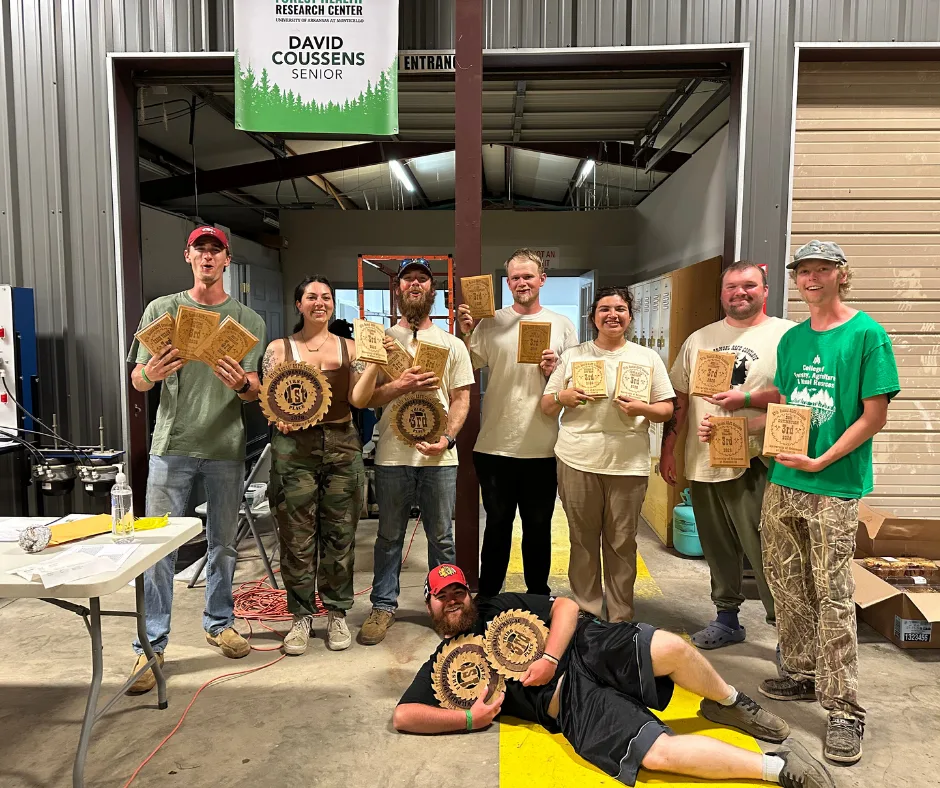
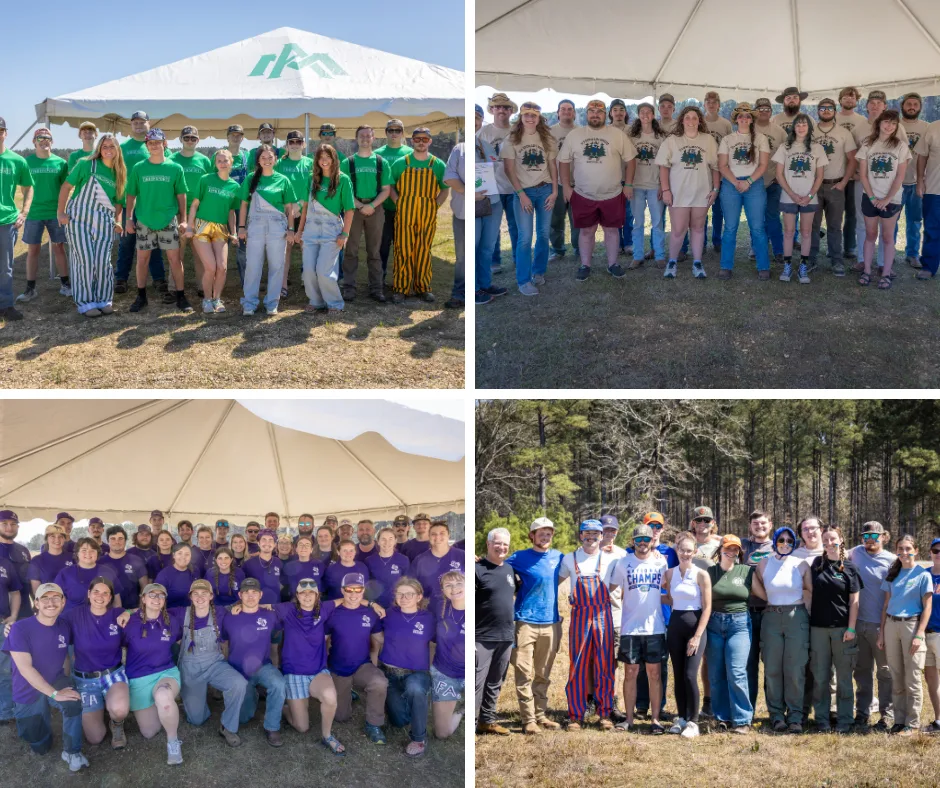
The University of Arkansas at Monticello (UAM) Forestry Club hosted the 67th Annual Southern Forestry Conclave in Monticello, Arkansas, bringing together 14 universities from across the Southeast. As always, Conclave was a mix of technical forestry skills, traditional timbersports, and a lot of time spent building relationships across programs.
Conclave has been around since 1958, and the purpose has stayed the same—give students a chance to apply what they’ve learned, compete at a high level, and represent their programs. It’s one of the few opportunities where students can move directly from the classroom to real-world skill application in a competitive setting, albeit some of the events are a little “old school” for today’s modern technologies.
A Weekend Packed with Events
Things got started Thursday as teams rolled into Monticello, set up camps, and got settled in. That first night is always one of the best parts of Conclave—students reconnect with peers from other schools and new teams get to experience it for the first time.
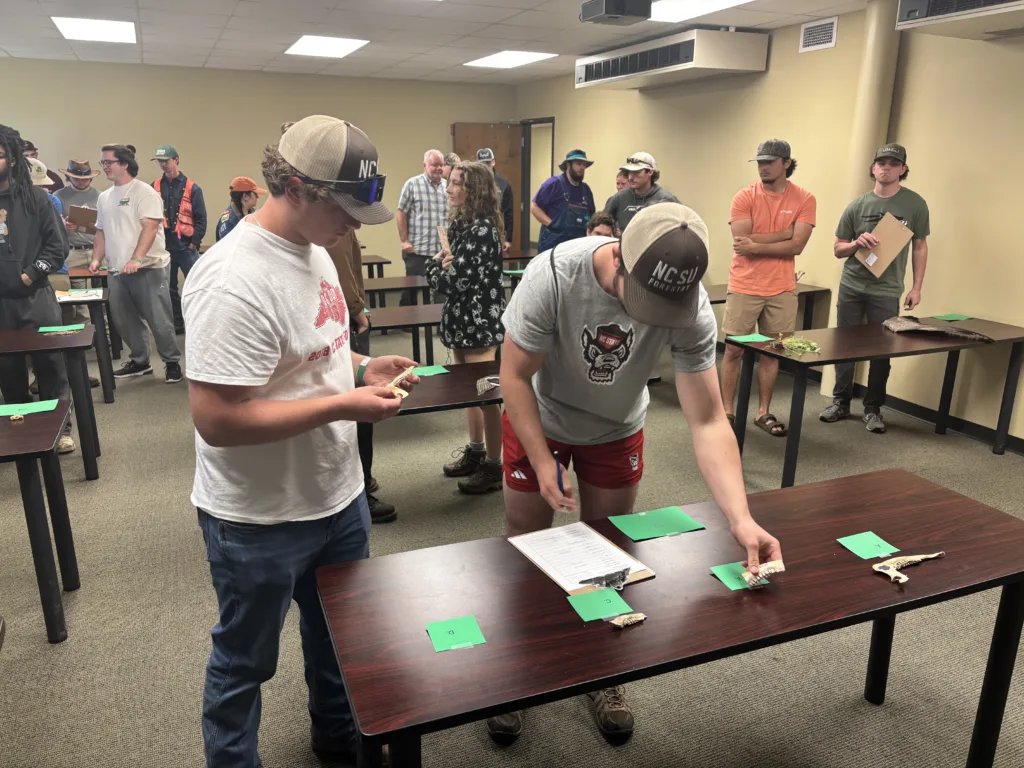
Friday kicked off with technical events. These are the core forestry skills students spend years developing—dendrology, wildlife ID, compass and pacing, timber estimation, forest health, and wood technology. It’s where you really see who has been putting in the time academically.
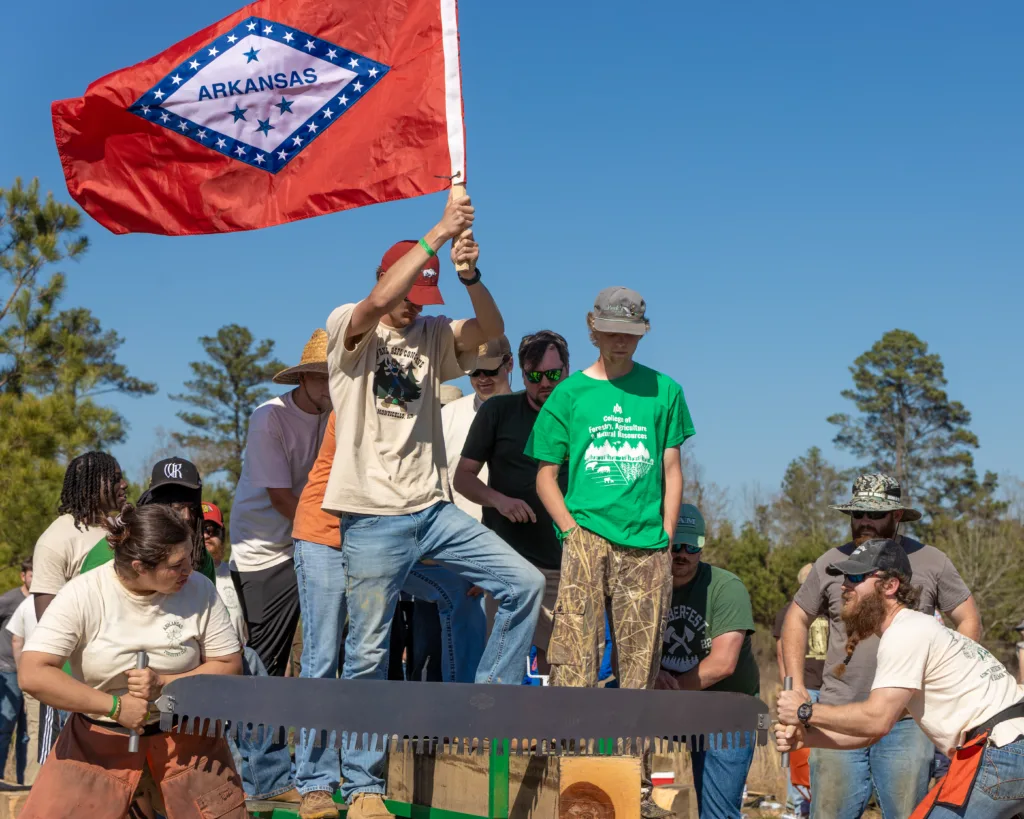
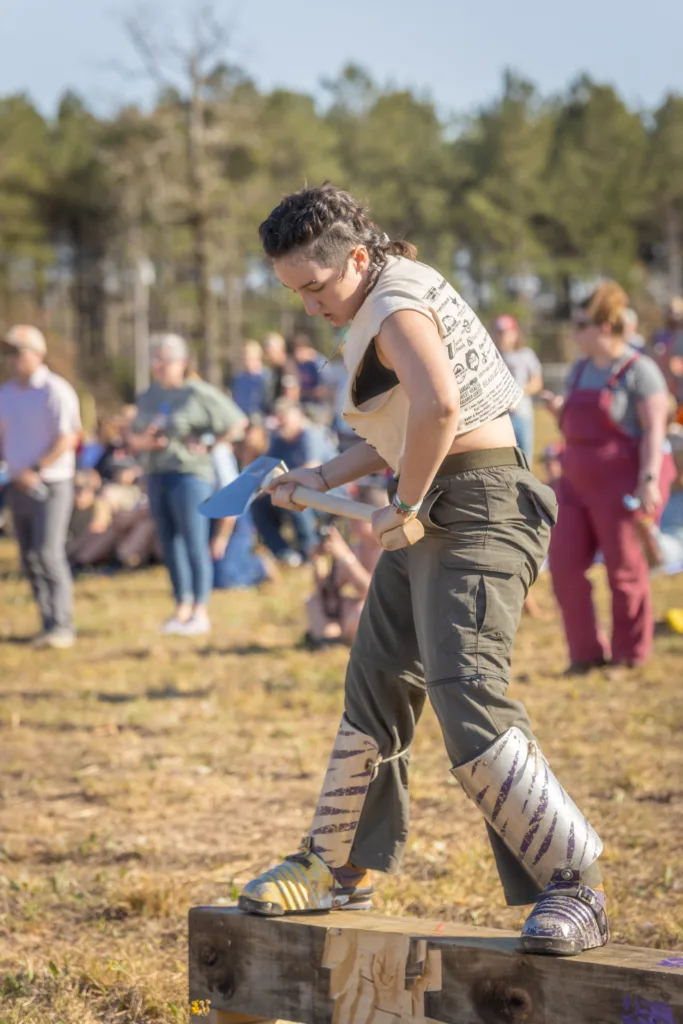
After lunch, the focus shifted to physical events. This is where things get loud. Axe throwing, bow saw, pole climbing, and birling all trace back to the history of logging, but they also demand a lot of precision and composure under pressure.
Saturday wrapped up with remaining physical events, including crosscut, chain throw, log rolling, and log chop. The log chop continues to be the event everyone circles—there’s just nothing else like it.
Top Performances
Stephen F. Austin State University had a dominant weekend. They finished 1st Overall as well as in both technical and physical events. This marks their eighth straight Conclave title and the highest score in Conclave history, which is saying something given how competitive this event has become.
There were also several record-setting performances, including a new mark in the women’s log chop and chain throw. The level of competition keeps getting better every year, and 2026 was no exception.
UAM had a strong showing on their home turf and handled hosting responsibilities well. They finished 3rd Overall.Hosting Conclave is a heavy lift, and they did a good job balancing competition with the need to put on a well-run event.
Overall, all the schools showed up ready to compete and represented their respective schools well throughout the weekend. We had students competing across both technical and physical events, with several stepping into events they hadn’t competed in before. That matters at Conclave—being willing to step up wherever the team needs you.
From an advisor’s standpoint, what stood out most was consistency. Students were prepared, supported one another across events, and maintained a positive attitude regardless of placement. That’s exactly what you want to see. There were solid individual performances, and more importantly, a lot of growth. Conclave is one of those experiences where students figure things out quickly—how to compete, handle pressure, and represent their program.
Just as important, the students contributed to the overall environment. This year we saw camaraderie across all the schools. The students all stepped up, supported competitors from other schools, stayed engaged throughout the weekend, and represented the program well. That part of Conclave still matters just as much as the scoreboard.
Why Conclave Still Matters
At the end of the day, Conclave is more than a competition. It’s one of the best hands-on learning opportunities forestry students will get. It reinforces:
- Technical forestry skills
- Time management and preparation
- Leadership and teamwork
- Professionalism in a competitive setting
It’s also one of the best networking opportunities students will have during their time in school. Throughout the weekend, they’re interacting not just with their teammates but with students from other programs, faculty from across the region, alumni, and industry professionals who come to support, judge, and help run events. Those conversations and connections carry forward well beyond Conclave.
Students leave with a better understanding of what they can do—and where they need to improve—but also with a stronger professional network and a clearer picture of the forestry community they’re about to enter.
Acknowledgements
Conclave does not happen without strong support from the forestry industry, and this year was no exception. The 2026 event was backed by a wide range of sponsors—from industry organizations to private companies, consulting firms, mills, and individual supporters who continue to invest in these programs year after year.
What stands out is that this support goes well beyond financial contributions. Industry professionals show up in person to judge events, run stations, troubleshoot logistics, and spend time with students throughout the weekend. They are actively engaged in mentoring, answering questions, and building relationships with the next generation of foresters. That level of involvement matters. It reinforces the connection between academic programs and the workforce, and it gives students direct exposure to the people and companies they may one day work alongside.
Simply put, Conclave would not be possible without this level of industry commitment. The time, resources, and presence of these partners are what allow the event to run at the level it does—and it’s something our students directly benefit from every year.
A list of this years sponsors can be found here: https://www.uamtimbersports.com/sponsors-page
Looking Ahead
The 2026 Southern Forestry Conclave highlighted the continued strength and growth of forestry programs across the region. With record-setting performances, strong participation, and exceptional hosting by UAM, this year’s event raised the bar for future competitions.
As teams return to campus and begin preparing for the next Conclave, one thing remains clear: this event continues to serve as a proving ground for the knowledge, skill, and professionalism that define forestry—from the woods to the mill.