Tick Safety in the Woods: Understanding Alpha-gal Syndrome and Other Risks of Tick Bites
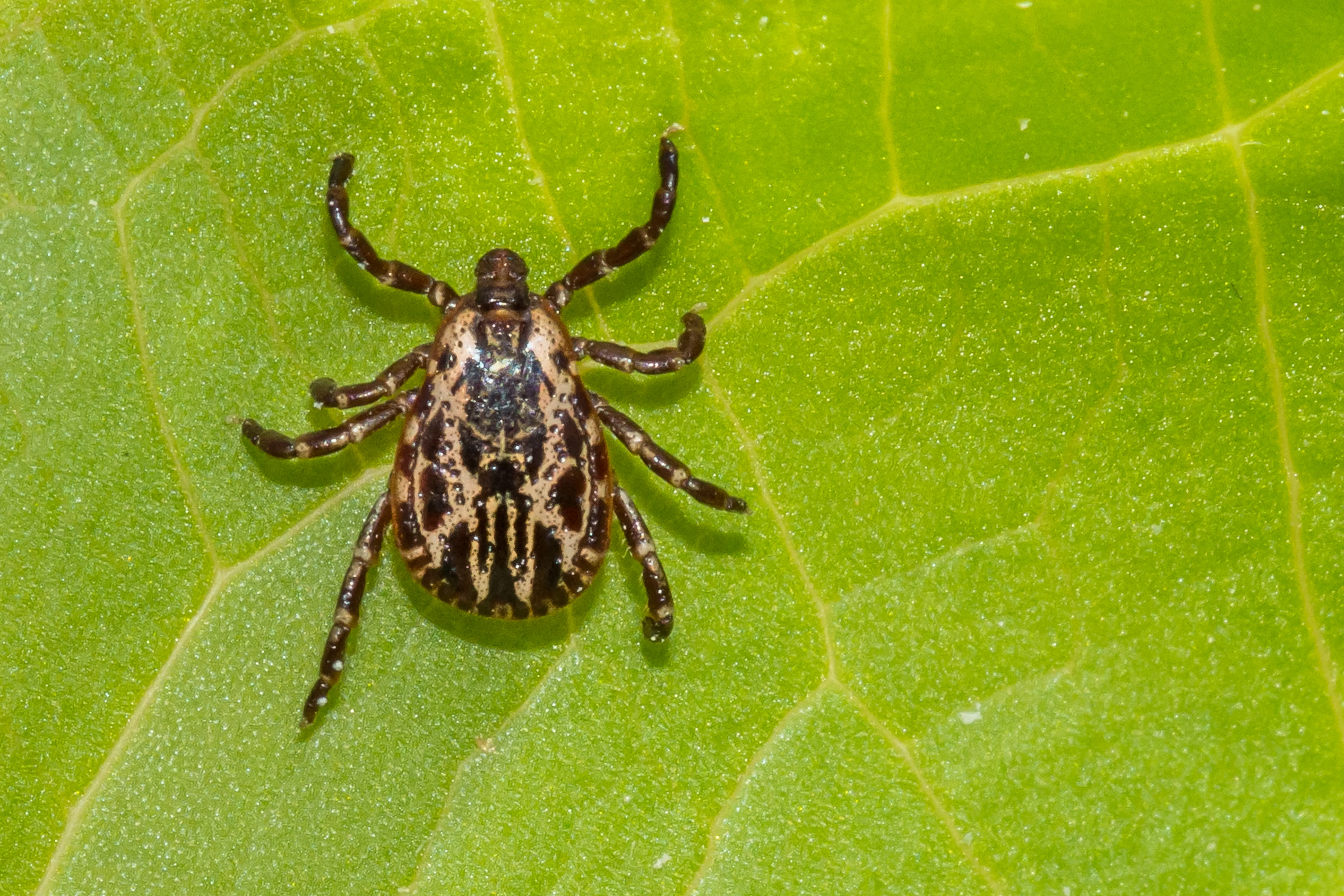
Forestry professionals are not strangers to risk. With so many potential hazards, from heavy equipment to changing weather conditions, safety is part of the job. Yet one of the fastest-growing threats to outdoor workers is surprisingly small: ticks.
Over the last few decades, tick populations have expanded broadly across much of the United States. Ticks can transmit many pathogens that cause Lyme Disease, Rocky Mountain Spotted Fever, Ehrlichiosis, and other serious illnesses, and left untreated, symptoms can escalate and lead to significant health complications.
While these illnesses are often the focus of tick-borne disease education, they are not the only concerns linked to tick exposure. Clinicians and researchers have also seen a rise in a different type of tick-related condition that does not cause infection, but instead triggers an allergic response. This unique condition is known as alpha-gal syndrome.
Alpha-gal syndrome, or AGS, is an allergy to galactose-ɑ-1,3-galactose, a sugar commonly known as alpha-gal that is found in all mammals except for humans and some primates. Within weeks or months following a tick bite, a person can develop a potentially life-threatening reaction to anything containing the alpha-gal sugar, including beef, pork, and other mammalian products. Some people also develop a reaction to dairy and other byproducts commonly found in food, medications, and everyday household and healthcare items.
Here in the US, the tick primarily responsible for causing alpha-gal is the lone star tick. While most common in the Southeast, Southcentral, and Midwest regions, their habitat is rapidly expanding northward and westward, making protection increasingly important. Lone star ticks can be found everywhere from forests and fields to suburban lawns, but they thrive in wooded areas with dense underbrush, putting forestry workers at heightened risk of exposure.
Adult females are identifiable by a distinctive white spot on their backs, but ticks do not have to be large or easily visible to pose a risk. Lone star ticks can trigger AGS, regardless of gender and at any stage of their lives, including the tiny larval and nymph stages, which can be so small they’re difficult to see.
PREVENTION
Because there is no cure for AGS, tick bite prevention is the best defense. While AGS can be managed through diet and lifestyle tools, avoiding tick bites in the first place is the most effective way to reduce your risk.
Start by learning which ticks are active in your location and when. In much of their range, lone star ticks are most active in late spring and early fall, but in many regions they remain active year-round.
When working outdoors, cover up to create a physical barrier between yourself and ticks. Ticks often crawl upward from the ground, so tuck pants into socks and shirts into pants to limit access to skin. Light-colored clothing can make it easier to spot ticks, and a lint roller can help remove them before they attach, even the ones you can’t see.
Proper tick repellents are another important layer. Permethrin-treated clothing paralyzes and kills ticks, while EPA-registered repellents containing DEET or Picaridin can be applied according to label directions.
After spending time in tick habitats, don’t head straight for the laundry basket. Standard washing will not necessarily kill ticks, so clothing should be tossed in the dryer first. Take a shower, and check your whole body for ticks, especially warm, moist, and hidden areas.
POST-BITE ACTIONS & SYMPTOMS
Finding a tick, especially if it’s already attached to your skin, can be upsetting. Fortunately, only a fraction of those bitten by lone star ticks will contract and develop AGS. If you do find a tick attached, the CDC recommends carefully removing it with fine-point tweezers to ensure no body parts are left in your skin. With the tweezers, grab the tick as close to the skin as possible and pull straight up. Don’t twist or jerk as you pull, and don’t squeeze the body. Once the tick is fully removed, clean and disinfect the bite. AGS will not cause the bullseye rash that Lyme sometimes does, but keep an eye on the bite until it heals.
If you’re curious about the type of tick you found, Tick Encounter, a program at the University of Rhode Island, offers free identification by photo.
After any tick bite, monitor yourself for symptoms. thor:
Contact your health provider if you start to experience symptoms, especially if you develop a fever, chills, body aches, a rash…or a new allergic reaction, even weeks to months later.
One of the challenges of diagnosing AGS is that symptoms and reactions can be unpredictable. Some experts refer to it as the “anytime allergy not every time allergy” because symptoms vary widely from person to person and even from one exposure to the next. Symptoms can range from mild to severe, and in some cases, they can be life-threatening.
Another feature that sets AGS apart from other allergies is its typical delayed response. Rather than occurring immediately after exposure, symptoms often develop two to ten hours later. A meal eaten for dinner may not present symptoms until the middle of the night, making the connection difficult to recognize. Additionally, some AGS patients report itching or swelling of the palms and soles. Although reactions can involve any body system, a variant of AGS sometimes presents as severe gastrointestinal symptoms such as abdominal pain, nausea, vomiting, or diarrhea with no other accompanying symptoms. Any severe allergic reaction requires immediate medical attention.
WHY IT MATTERS
Forestry professionals manage risk every day, and tick exposure deserves the same proactive approach. A tick bite can have long-term consequences, but by staying informed, taking preventative measures, and recognizing the symptoms, you can reduce your risk and protect your health both on and off the job.
Additional Resources
For more information on ticks and alpha-gal syndrome:
CDC
Anaphylaxis
Alpha-gal Foundation
Alpha-gal Information
Two Alpha Gals
Tick Spotters
About the author:
Debbie Nichols co-founded Two Alpha Gals and the Alpha-Gal Foundation, where she focuses on education, advocacy, and support for those living with alpha-gal syndrome. She is also co-creator of In the Tall Grass, a podcast sharing stories of reinvention, resilience, and rediscovering joy through life’s defining moments.
After nearly a decade of unexplained symptoms, Debbie was diagnosed with AGS in 2019. She combines lived experience with a background in chemistry and creative writing to make AGS information accessible and relatable, and she is passionate about helping others navigate AGS while maintaining connection and quality of life.
She lives with her family on a hobby farm in Blacksburg, Virginia, where they raise sheep and chickens.