FRA’s 2026 Annual Meeting Summary of Business

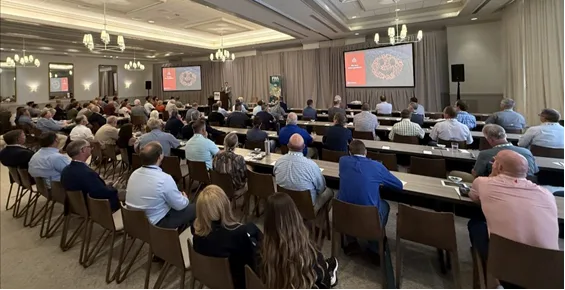
FRA’s 92nd Annual Meeting, held May 18–20 in Charleston, South Carolina, brought together over 150 members and industry partners for three days of networking, education, committee work, and the governance decisions that will guide the Association through the coming year. Meeting presentations and discussions highlighted the opportunities and challenges facing the industry, including evolving timber markets, sustainable building products, workforce development, transportation and safety issues, and the growing role of AI, automation, and advanced technologies in forestry operations.
The presentations we have permission to share can be found on the Resources ➡️ Presentations page of the FRA website. You will need to be signed in as a member to access the presentations; for assistance with access, please email Vanessa Connelly. For those in attendance, we ask you to please take a few minutes to complete a short meeting SURVEY – your feedback is important as we plan future FRA events.
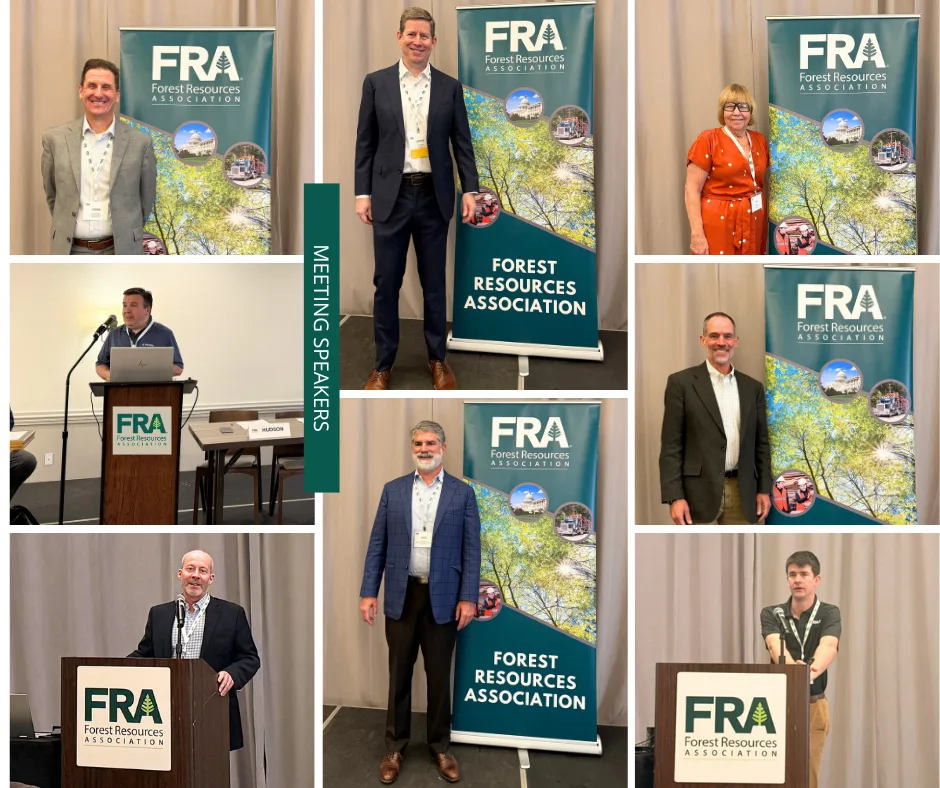
Throughout the FRA Annual Meeting, members heard insights from a slate of dynamic speakers:
Chris Walton, CFO, Hampton Lumber, presented on “Why South Carolina?’ highlighting the company’s long-term commitment to the forest products industry and its expansion into South Carolina through the new Allendale sawmill project. As a fourth-generation, family-owned, vertically integrated company with operations spanning timberlands, manufacturing, wholesale, and value-added affiliates, Walton emphasized the culture of stewardship, partnership, innovation, and community engagement. He detailed how South Carolina was selected because of its strong timber supply, business-friendly environment, favorable cost structure, and access to Southern Yellow Pine markets, while also acknowledging challenges such as labor availability and residual markets. Walton discussed the new state-of-the-art Allendale sawmill, scheduled for commissioning in late 2026 and startup in early 2027, which will feature advanced automation, AI-powered optimization systems, rail access, and an annual production capacity of approximately 300,000 MBF, reinforcing the company’s confidence in the long-term future of southern forestry and lumber manufacturing.
Patricia Layton, Professor Emerita of Forestry, and Strategic Advisor, Wood Utilization and Design Institute, Clemson University, delivered a presentation titled “Sustainable Buildings and Innovative Wood Products to Strengthen Forest Markets,” focusing on how sustainable buildings, mass timber construction, and innovative wood products can strengthen forest markets. Layton’s presentation highlighted the growing use of mass timber due to its benefits, including lower embodied carbon, improved construction efficiency, sustainability, and support for forest health, while also addressing misconceptions about cost, fire safety, and building codes. She emphasized the importance of integrated wood supply chains, advanced manufacturing, and traceability from forest to finished building products, alongside emerging research and partnerships led by Clemson University and regional collaborators. The presentation also explored broader market transitions affecting the forest sector.
Steve Henry, Paper & Packaging CEO & President, Domtar, presented “Navigating Change: Leadership and Resilience in the Forest Products Industry”. Henry discussed Domtar’s commitment to sustainability, innovation, safety, and community engagement, supported by strong environmental goals, including 74% renewable energy use and full regeneration of managed Canadian woodlands. Domtar operates extensive paper and packaging, pulp, tissue, and wood products businesses across the U.S. and Canada, serving customers in nearly 90 countries. The company positions itself as a resilient, growth-oriented organization focused on operational excellence, responsible business practices, and long-term leadership in the global forest products industry.
Alex Hinson, President and CEO, Resource Management Service, LLC, presented “A TIMO’s Place in the Forest Products Supply Chain”, emphasizing the importance of a unified, resilient, and advocacy-driven forest products supply chain, while underscoring the critical role TIMOs play within the industry. Hinson outlined why timberland remains an attractive investment due to stable long-term returns, inflation hedging, climate and conservation opportunities, and land-use value. He also addressed growing concerns facing the sector, including market uncertainty, rising input costs, regulatory and economic pressures, workforce shortages, and tariffs. Hinson stressed the importance of industry collaboration to strengthen and sustain the entire wood supply chain.
Merritt Jenkins, CEO and Founder, Kodama Systems, delivered a presentation titled “Logging Equipment Teleoperation and Autonomy.” Kodama is a forestry technology company focused on using AI, robotics, teleoperation, and automation to improve forest management, wildfire mitigation, and logging operations. Their core product, RS1 (“robo-skidder”), enables remote operation of forestry equipment, such as skidders, allowing operators to control machines from off-site locations to improve safety, reduce labor shortages, and increase productivity. The company’s broader vision is to modernize the forestry supply chain through autonomous systems, connectivity in remote forest environments, and AI-driven operational workflows.
Brooks Mendell, Ph.D., CEO & Founder, Forisk Consulting, provided an overview of “Timber Markets, Wood Demand, and Capital Investments,” examining timber markets, wood demand, and capital investment trends across North America, and highlighting significant structural changes affecting the forest products industry. Mendell noted rising risks for older pulp mills with weak end-product markets, limited capital investment, outdated recovery boilers, and poor logistics, while detailing that newer, larger sawmills in the U.S. South are outperforming and replacing smaller, less competitive facilities. The presentation also emphasized shifting forest conditions, including declining hardwood acreage, strong pine growth-to-drain ratios, and changing timberland economics as lower pulpwood prices reduce land values and alter management strategies.
Jason Watson, Director, U.S. Sales, ArborGen Inc., presented on “Planting Through the Cycle – Genetics, Spacing, and Long-Term Value in Challenging Timber Markets,” focusing on how advanced forest genetics, silviculture, and market-driven reforestation strategies can help landowners maximize long-term timber value and adaptability in changing forest products markets. The presentation highlighted ArborGen’s investments in tree improvement, mass-controlled pollination (MCP), field testing, and data-driven breeding programs designed to improve growth, stem quality, disease resistance, and sawtimber yields. It also addressed major shifts in southern timber markets, including contraction in pulp and paper capacity alongside continued strength in lumber production, leading landowners to prioritize lower planting densities, higher-quality genetics, and management strategies that create greater optionality and resilience.
Perttu Aunola, Senior Director of Global Revenue, Trimble Forestry Finland, provided an overview of “AI in Forestry: Now and In the Future”, exploring how AI is transforming the forest products industry from fragmented, siloed operations into connected, data-driven systems that improve efficiency, sustainability, and decision-making. The presentation highlighted the growing role of AI technologies, such as machine learning, generative AI, and predictive analytics, in areas including forest inventory management, precision harvesting, logistics optimization, biodiversity monitoring, and timber value prediction. Aunola emphasized that successful AI adoption depends on integrated data platforms, cybersecurity, and operational workflows that connect forest management, procurement, logistics, and mill operations. He also noted that while AI agents and automation will increasingly handle repetitive and scalable tasks, humans will remain essential for creativity, empathy, ethics, leadership, and deep domain expertise.
During the meeting, FRA’s National Committees and the THATS Foundation met to develop recommendations based on these presentations and other reports.
National Public Policy / Advocacy Committee
The National Public Policy / Advocacy Committee convened a policy panel featuring Gabe Crane (Roseburg Forest Products), Tim O’Hara (FRA), and Pat Rita (Orion Advocates) to discuss the rapidly evolving political, regulatory, and environmental landscape impacting the forest products industry. The conversation explored the implications of the Trump administration and upcoming midterm elections, while providing updates on FRA’s key policy priorities, including truck weight reform, the Farm Bill, and workforce challenges. Panelists also examined regulatory and trade issues affecting forest management, labor, and transportation, with particular attention given to EUDR implementation, tariff actions, and the broader global trade environment.
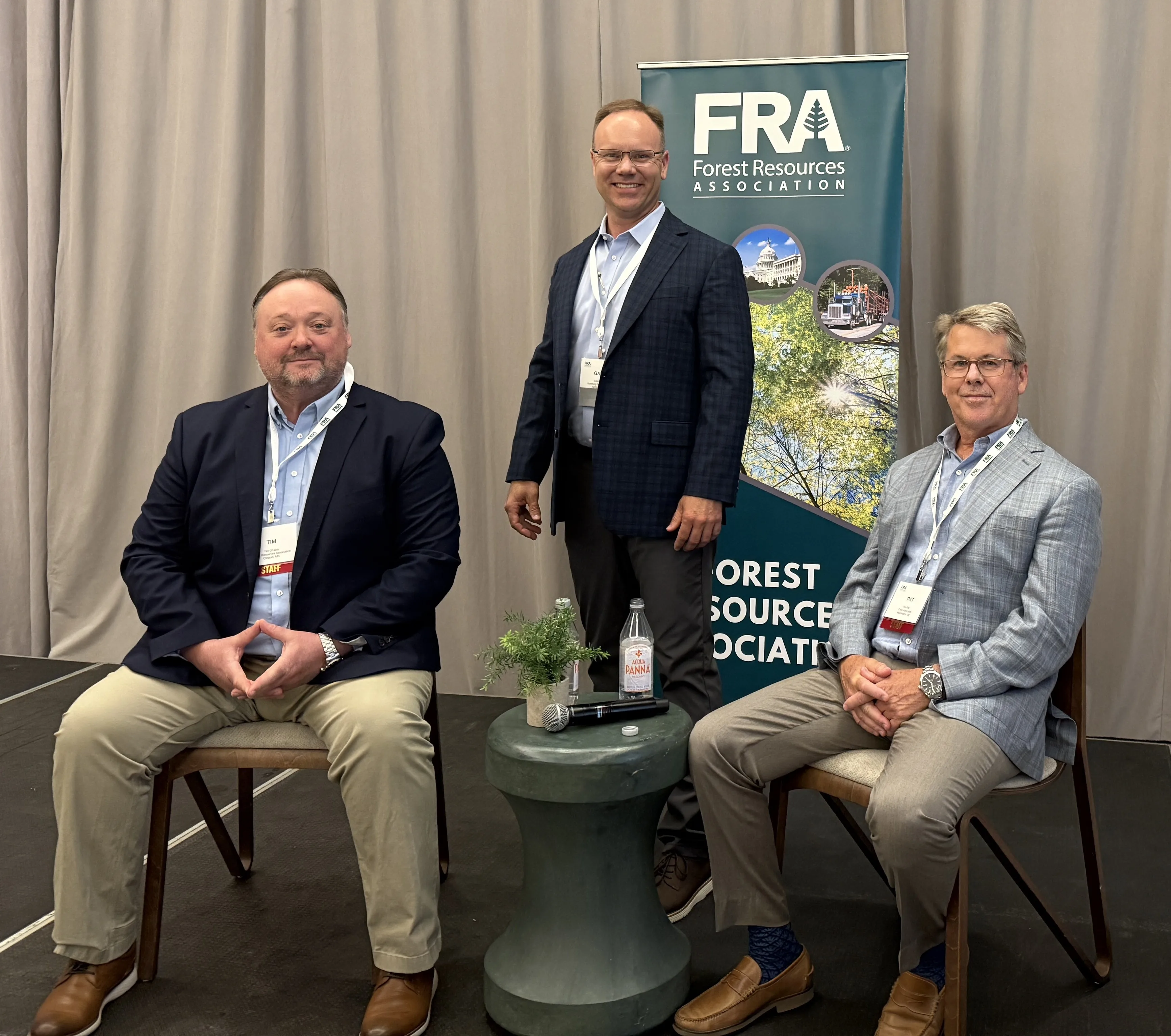
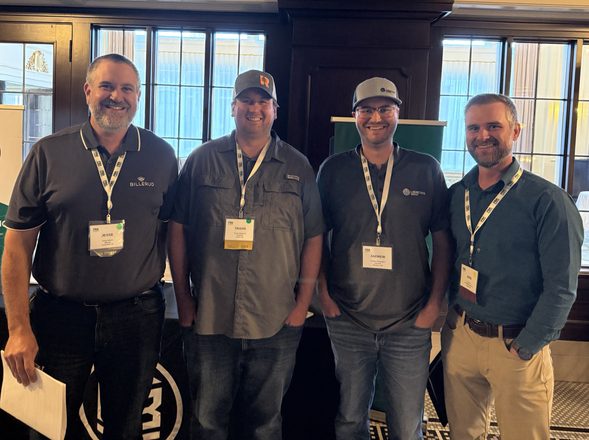
Tim O’Hara (FRA), Gabe Crane (Roseburg Forest Products), and Pat Rita (Orion Advocates)
Following the panel discussion, outgoing Committee Chair Gabe Crane welcomed Jenni Galiotto (LP Building Solutions) and Scott Meek (Green Bay Packaging) as the Committee’s new Chair and Vice-Chair for the 2026–2028 term.
National Operations Committee
During the National Operations Committee business meeting, members discussed the FRA Strategic Plan and how the current economic climate has shifted the committee’s focus and priorities. Several projects and tactics from the 2024–2026 Strategic Plan have been retained but reprioritized to better align with the committee’s commitment to addressing current supply chain issues, challenges, and concerns.
Key initiatives moving forward include:
- Developing regional fact sheets highlighting standing timber inventory levels, growth and drain statistics, and other socioeconomic data to encourage new investment in the industry and communicate the current health and status of the wood supply value chain to external stakeholders.
- Partnering with the THATS Foundation and TEAM Safe Trucking to produce educational videos focused on safe driving practices for procurement foresters and company employees operating on company lands, log roads, and other high-risk areas. Several FRA member companies have expressed a strong need for these training modules.
- Continuing work on the FRA-branded Woods to Mill Podcast Series, an initiative first identified during last year’s Operations Committee Business Meeting in Miramar Beach. Two episodes have already been recorded, with additional recording and release details to be announced soon.
Following the discussion, the committee welcomed Wes Miller (A.M. Logging) and James Edelen (LP Building Solutions) as the new Committee Chair and Vice Chair, respectively.
National Supplier/Consumer Relations Committee
Following a presentation from Kodama Systems on the use of remote operators and autonomous technologies in timber harvesting operations, the National Supplier/Consumer Relations Committee held a business meeting focused on the importance of developing and sustaining healthy markets to support the long-term viability of the forest products industry. To address these challenges, the Committee agreed to pursue two key initiatives: developing a white paper examining barriers to emerging markets and alternative uses for low-grade wood, and compiling information on wood feedstocks that qualify under the federal Renewable Fuel Standard to better understand existing opportunities and limitations within current law and EPA interpretation. The Committee also highlighted its compilation of FRA Logger Safety Resources — including Safety Alerts, Technical Releases, and other publications — designed to help members meet forest certification requirements and strengthen safety performance across the industry.
Richard Schwab (M.A. Rigoni) will continue serving as Committee Chair alongside incoming Vice-Chair Jonathan Smith (TimberMart-South).
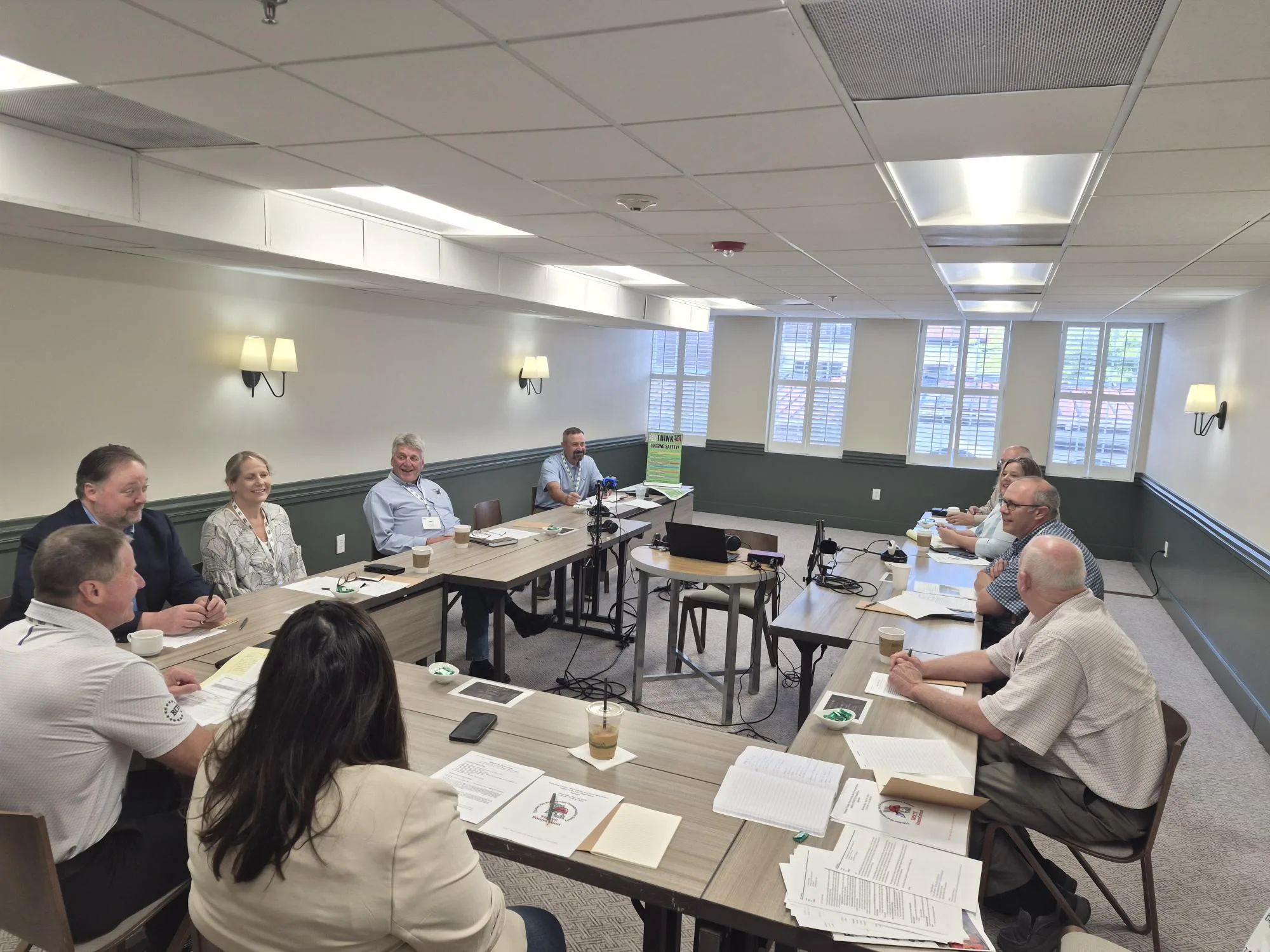
National Timber Harvesting and Transportation Safety (THATS) Foundation
The Timber Harvesting and Transportation Safety (THATS) Foundation met to review Foundation business, approve financials, and advance several initiatives focused on workforce development and logging safety. Members received a progress update on Oregon State University’s “Virtual Canopy” grant project, which is using immersive virtual training technologies to support the next generation of forestry professionals, and remains on track for completion by the end of 2026. The Foundation also approved funding for the Northeast Loggers’ Association’s “Woods-Ready Safety Plan,” a mobile web application designed to improve emergency preparedness for logging crews operating in remote environments. In addition, members discussed emerging safety technologies, including a geofencing initiative to improve public awareness of log truck traffic near mill sites.
Leadership updates included recognition of outgoing Chair Steve Barnett (BITCO), the appointment of Tracie Gibbs (Rayonier) as Chair for the 2026–2028 term, and the announcement that Lindsay Warness will assume the role of THATS Foundation Staff Secretary following Jeff Jenkins’ retirement in July 2026.
National Awards Dinner
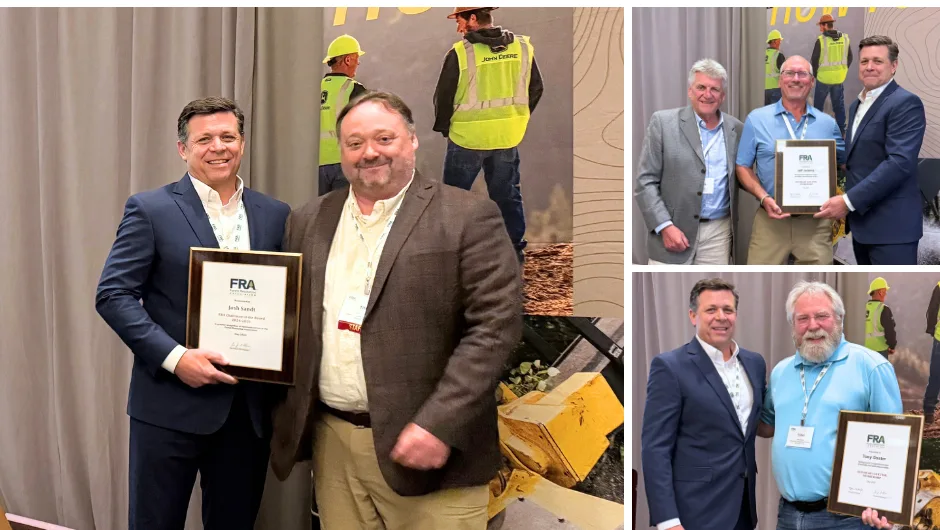
During the May 19 National Awards Dinner, outgoing FRA Chairman Josh Sandt (Canfor Southern Pine) was recognized for his strong leadership, unwavering commitment, and clear vision for both the association and the forest products industry.
Retirees Jeff Jenkins, FRA, and Tony Doster, Resource Management Service, LLC, were presented with FRA Honorary Lifetime Memberships in recognition of their many years of dedication and service to the industry.
| 2026 National Technical Writing Award |
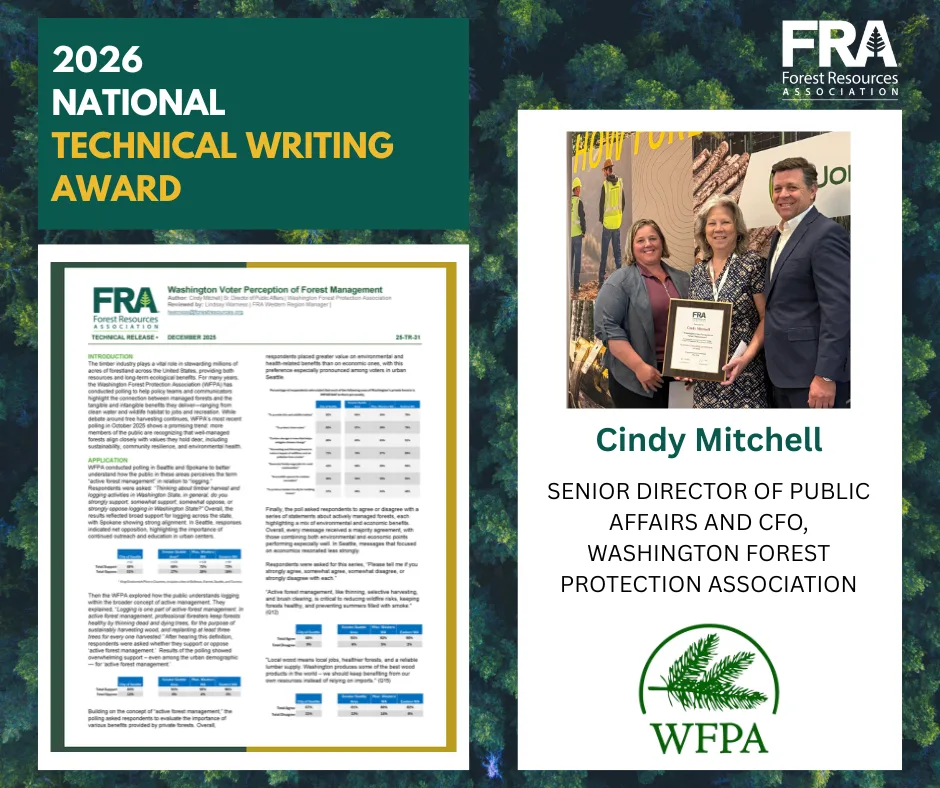
Cindy Mitchell, Senior Director of Public Affairs and CFO for the Washington Forest Protection Association (WFPA), accepted the FRA 2026 National Technical Writing Award for her Technical Release, “Washington Voter Perception of Forest Management.”
| 2026 National Outstanding Logger Award |
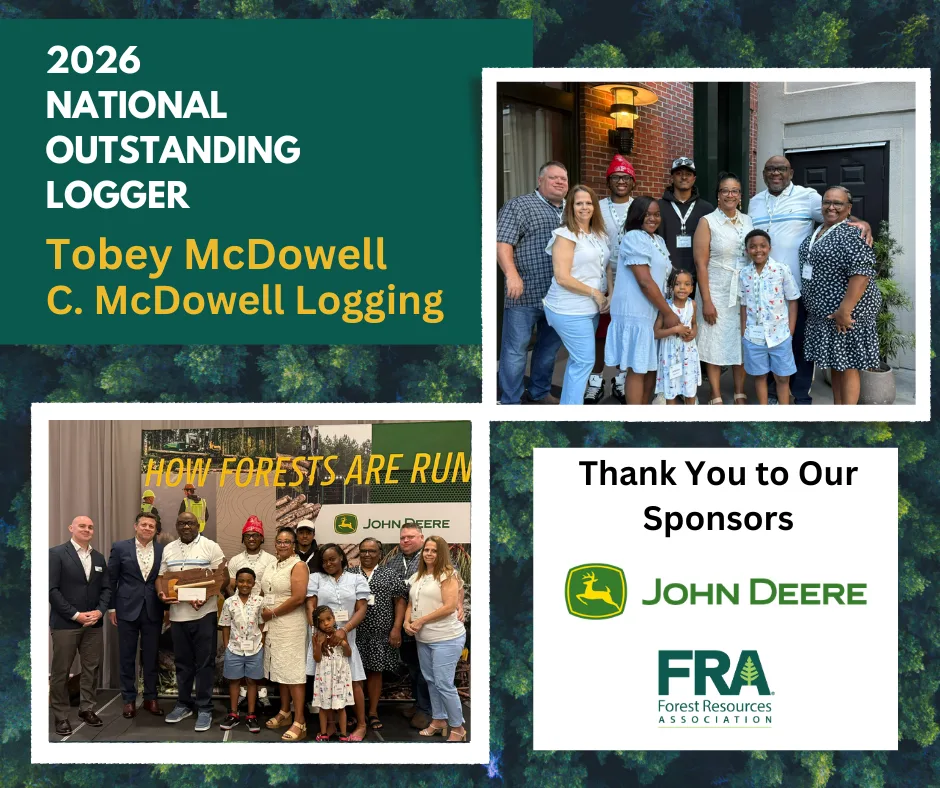
Tobey McDowell of C. McDowell Logging was recognized as FRA’s 2026 National Outstanding Logger Award recipient and was presented with a plaque and check by Justin McDermott, Forestry Division Sales Manager, North America, John Deere. McDermott spoke about the significance of the Outstanding Logger Award and John Deere’s new partnership with FRA in support of the program, noting that the McDowell family exemplifies the type of logging operation the award was created to honor.
Finally, the THATS 2026 online and live auctions raised over $10,000 during this year’s meeting in support of future safety initiatives. Foundation members and FRA thank everyone who donated and participated in the auction, with special appreciation extended to Richard Schwab for another outstanding performance as auctioneer!
At the May 20 Board of Directors Meeting, attendees:
- Reviewed FRA’s financial performance over the past fiscal year and approved the FY 27 budget. FRA remains in a solid financial position with healthy reserves.
- Heard the report from the May 18 FRA Executive Committee Meeting, which provided an overview of the association’s work over the past year. Highlights included public policy successes, developments in membership communications, strong regional activity, and a membership report recognizing twelve new member companies since May 2025.
- Reviewed reports from FRA’s National Committees and the THATS Foundation.
- Approved the FRA 2026–2028 Strategic Plan.
- Received an update from the Meetings Advisory Group on upcoming events: FRA’s Fall Meeting will be held in conjunction with the Lake States Region Meeting, September 29–October 1, at the Northland Hotel in Green Bay, Wisconsin. The 2027 Annual Meeting will be held in conjunction with the Southwide Region Spring Meeting, May 3–5, at the Wyndham Grand Hotel in Clearwater Beach, Florida. Please mark your calendars and plan to attend!
Following approval of the 2026–2028 FRA Board of Directors during the May 19 Annual Member Meeting, the 2026–2028 Executive Committee and National Committees were elected. FRA is pleased to appoint Kevin Hudson, Senior Vice President, Forest Resources and Recycled Fiber at Smurfit Westrock, as the 2026–2028 FRA Chairman of the Board.
Continuing Education Credits
The FRA 2026 Annual Meeting was approved for 6.5 Category 1 SAF CFE credits, and sign-in sheets have been submitted to the SAF national office. Please reach out if you have questions regarding obtaining credit for your meeting attendance.
Click Here to download your certificate.
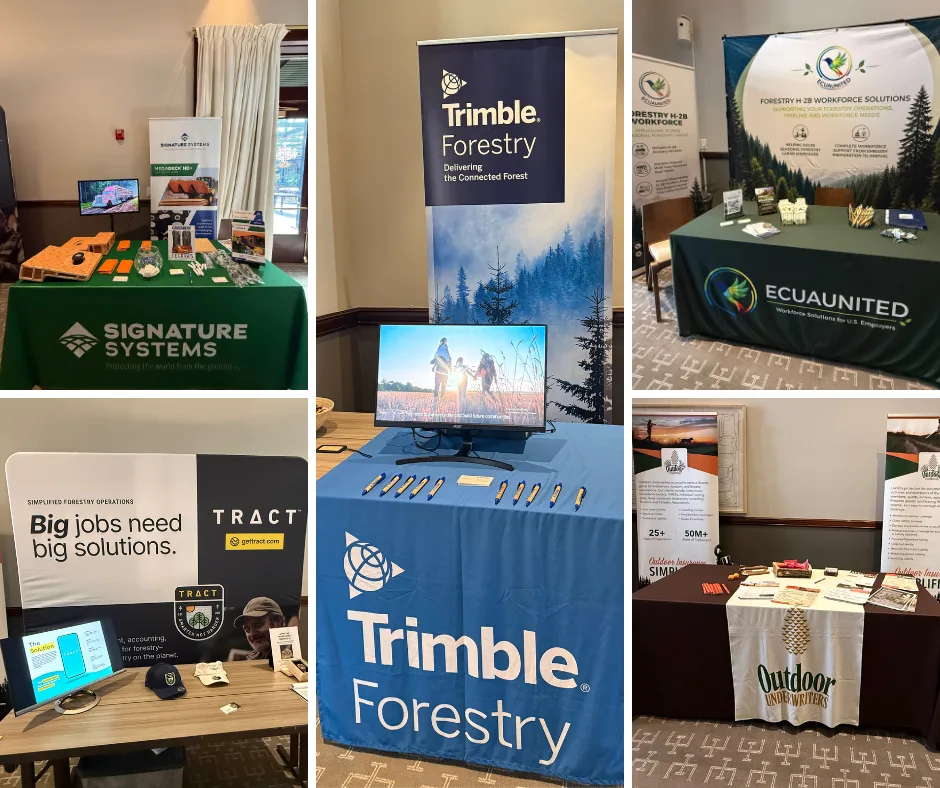
Meeting Sponsors
Thank you to the FRA 2026 Annual Meeting sponsors – this meeting would not have been possible without your financial support. This was a record year for sponsorship, and we are incredibly thankful for your support.
FRA 2026 Annual Meeting Sponsors