Timber Safe Program: A Safer Way Forward in the Woods
This week, as we marked World Day for Safety and Health at Work, it’s a fitting time to reflect on what safety looks like in practice across our industry. This edition of Woods to Mill highlights the Timber Safe Program and the real-world lessons it continues to reinforce in the field.
The Timber Safe Program, administered by the West Virginia University Extension, was established to address critical safety challenges within the forestry industry. Logging is widely recognized as the most hazardous occupation in the United States, with loggers being approximately 20 times more likely to suffer a fatal workplace injury than workers in other professions. In response to these alarming statistics, the Timber Safe Program was launched in 2019.
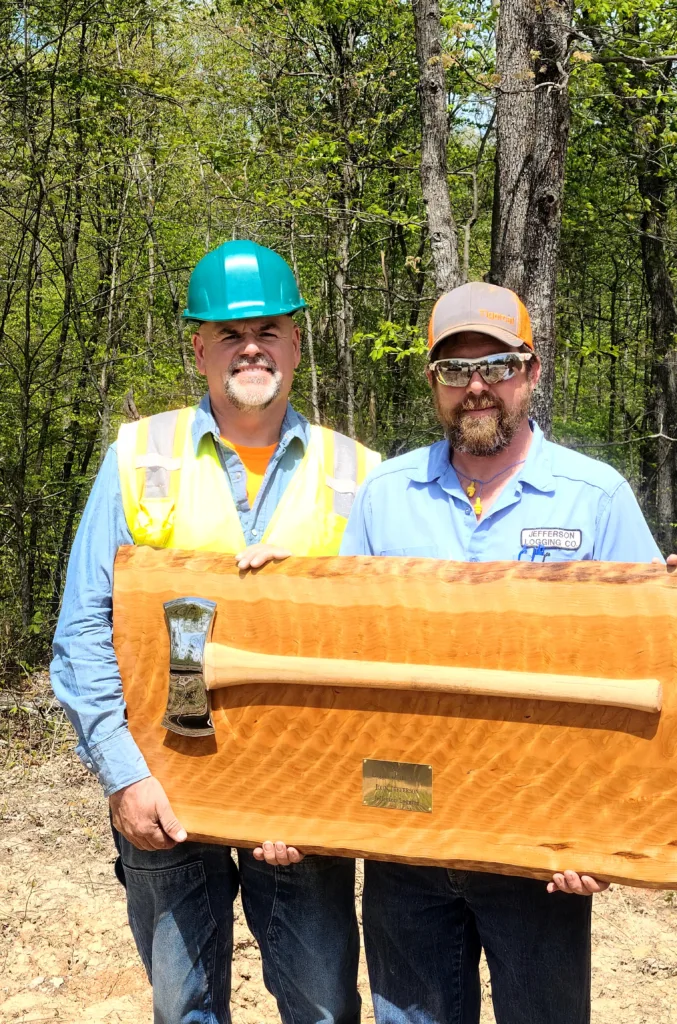
The primary objective of this research-based, voluntary initiative was to assist logging operations in achieving OSHA compliance while placing equal emphasis on safety and productivity. Participating companies received on-site visits every six weeks, during which comprehensive safety audits were conducted across all aspects of their operations—from required documentation and regulatory compliance to felling practices and daily field procedures. Analysis of the program’s data demonstrated measurable improvement, with the 30 participating companies showing significant progress in strengthening their safety practices and overall awareness.
In the midst of this effort, the onset of the COVID-19 pandemic introduced unexpected challenges and temporarily disrupted progress. However, once loggers were recognized as essential workers, the program resumed and continued advancing safety audits. With all that said, implementing and operating a safety program does not change the fact that this is a dangerous business. There were several incidents that occurred on the job of Timber Safe members. It just reemphasizes the need for diligence at all times as they do their jobs each and every day.
As we look at a few of these incidents, you’ll notice there’s no clear pattern. Some happen quickly, others don’t—but in every case, a momentary lapse can change things for the worse. These are reminders of the importance of following a safety program each day.
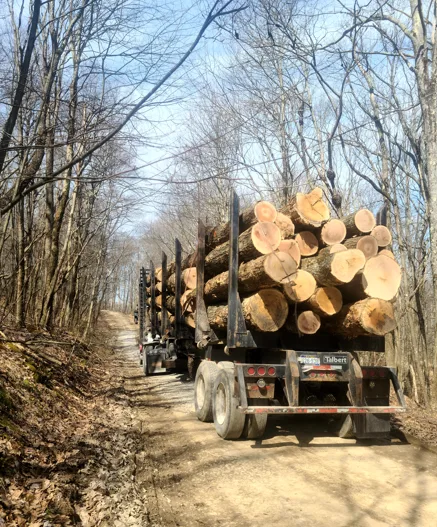
The first incident occurred on a Friday evening, right before quitting time. The timber cutter had just felled a tree and was in the process of limbing up the top. As he made his way through the top, he came to a crotch in the tree that needed to be cut off. At that time, the saw was getting low on fuel, and as things go, the gas and oil were back up the hill. As he attempted to keep the saw running to finish up, he did not consider the compression and tension wood. In doing so, the piece to be cut off was under a lot of tension, and when he cut into the bottom side of that piece, the saw started to cough and run out of fuel. As the saw quit running, the tension was released violently, allowing the weight of that whole section of the top to come back and hit him, pinning him against another branch at the top. His leg was broken in several places, and he was stuck. The skidder operator had to come down and throw a choker around the piece and pull it away from him just to get him out. Then there was the long, painful ride back up to the landing and an even bumpier ride to the hospital. This was a great reminder about the downfall of being in a hurry and not taking the time to look over the task, even if you have done it a thousand times.
Check out FRA’s Safety Alert: Timber Cutter Pinned Nearly Killed – Safety Alert – FRA
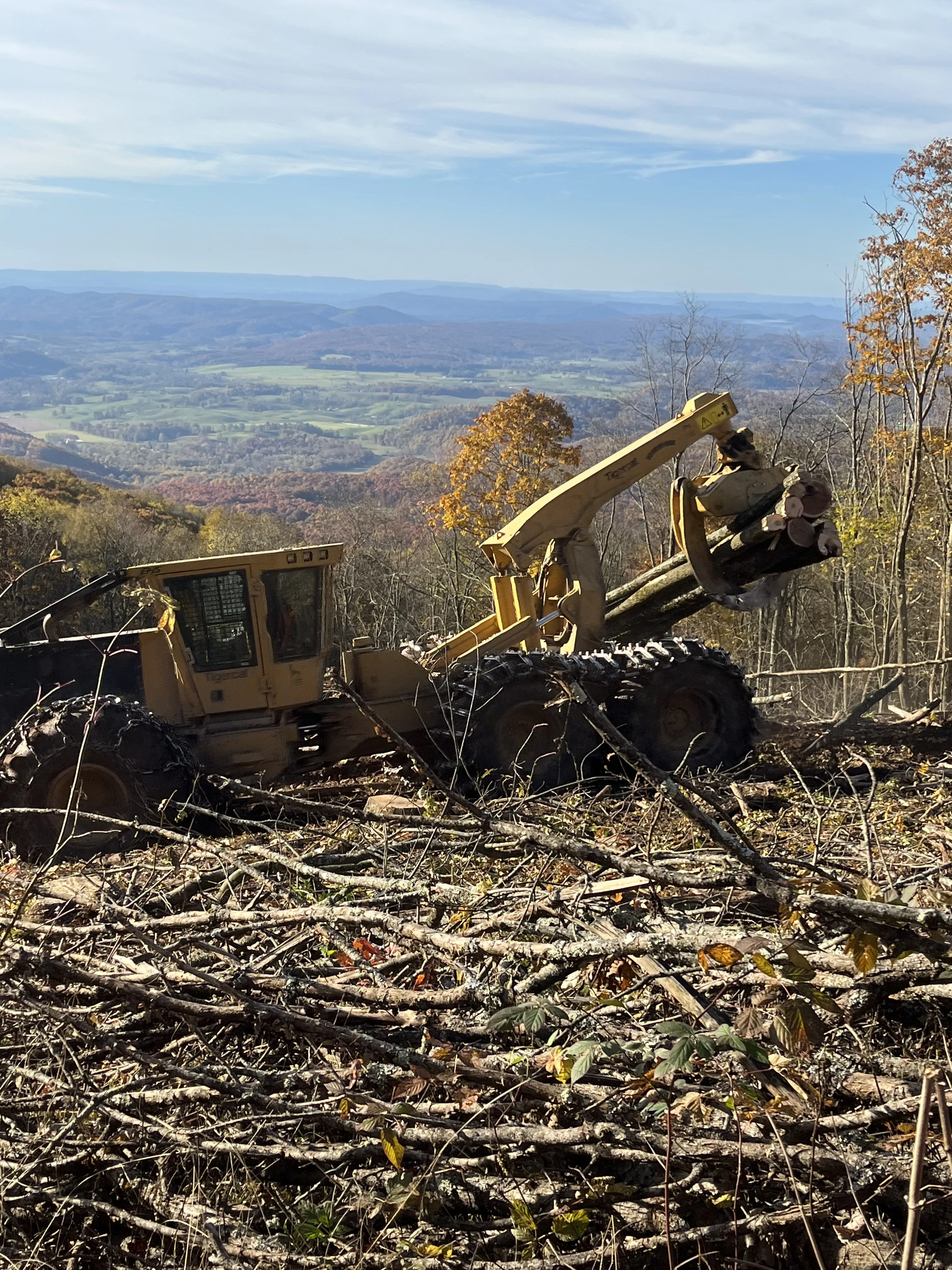
The second incident occurred on a logging job on very steep ground. The grapple skidder had been skidding logs to the landing all morning. There was a soft place in the road that had been brushed in, but was still problematic. When the Timber Safe representative arrived at the job, yelling came across the radio. The skidder operator had reached that weak section of road, and part of it gave way. The skidder immediately rolled down the hill, ending up upside down against a tree. This may have wounded the operator’s pride, but he thankfully had his seat belt on and was not hurt. Before Timber Safe, he admitted he would never have put on his seatbelt. It goes without saying that even though he had skidded across this section of the road numerous times, the road needed to be fixed and should have been repaired well before the accident occurred. This is a perfect topic to bring up in a safety meeting.
Check out FRA’s Safety Alert: Skidder Operator Killed In Steep-Slope Rollover – Safety Alert – FRA.
The Timber Safe Program continues its work today and reinforces an important reality: while logging will always carry risk, the difference often comes down to preparation and awareness in the moment. As these incidents show, even routine tasks can turn quickly—but a strong safety culture, supported by consistent training and accountability, can help prevent injuries and ensure workers make it home safely.