From the Woods to the Mill: Celebrating the Drivers Who Keep the Industry Moving
As we approach National Truck Driver Appreciation Week, September 13–19, we recognize the professionals whose work is often behind the scenes but essential to the forest products industry. Admittedly, as I reflect on my college forestry coursework, the critical role of trucking received minimal attention. The “real” work seemed to revolve around prescribing the proper silviculture, marketing and selling timber, harvesting systems for getting wood to the landing, and processing at the mill. The critical connection between the landing and the mill seemed almost inevitable: trucks simply showed up and delivered the wood.
Experience and perspective have made clear just how essential that role is. Our industry could not function without truck drivers. Wood grows where it grows, and it must be transported to a mill for processing. That simple reality makes trucking an indispensable link in the forest products supply chain.
Every day, truck drivers connect landowners, foresters, logging contractors, manufacturers, and consumers by moving raw forest products from the woods to the mill. Their reliability keeps the supply chain moving. That role has remained constant even as the equipment, roads, economics, and expectations surrounding forest products transportation have changed. Looking back at how we arrived here, and ahead to the risks and opportunities before us, makes it clear why supporting this workforce matters to FRA and to the entire industry.
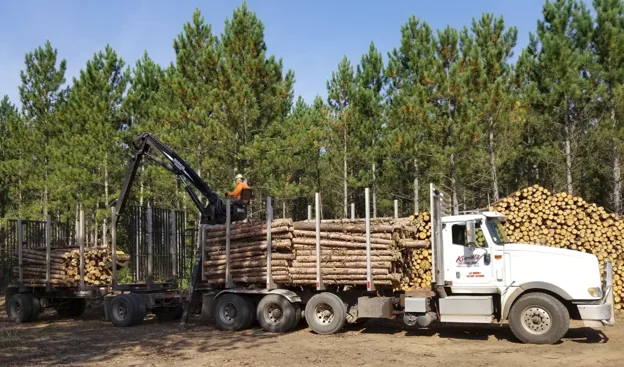
Early forest products transportation relied on rivers, animal power, and rail. By the early twentieth century, improving trucks and roads offered greater flexibility to reach harvest sites. By mid-century, trucking had become the primary link between the woods and the mill which is a role it still holds today. Trucks could follow harvesting operations as they moved across the landscape, deliver different products to the markets that valued them most, and keep mills supplied on a dependable schedule. What began as a technological improvement became part of the industry’s basic operating model. Today, forest products trucking is specialized, capital-intensive work. Drivers operate heavy equipment on forest roads, rural highways, in towns, and in mill yards, often all in the same trip. They must manage weather, changing road conditions, load securement, tight delivery windows, and the responsibility of sharing the road safely with the public. At the same time, many are small businesses facing pressures with high equipment, fuel, insurance, maintenance, and labor costs. Research comparing raw forest products transportation with general trucking found that log trucks tend to be older and operate in smaller fleets, which can potentially place operators at a disadvantage in an economy of scale when buying fuel and insurance and when competing for labor and benefits.
Looking ahead, the risks are significant. Every year, an estimated 15 million truckloads of wood are delivered to mills requiring a reliable and dedicated workforce. Recruiting and retaining qualified drivers remains a challenge, while the cost of trucks, parts, maintenance, insurance, and fuel continue to rise. As FRA has detailed, inconsistent hauling weight regulations can also push loaded log trucks off interstate highways and onto secondary roads with two-way traffic, intersections, school zones, pedestrians, and driveways. These detours can increase travel time, fuel use, emissions, road wear, and exposure to crash risk.
There are opportunities as well. Better coordination between suppliers and consuming mills can reduce wait times at mills and empty miles. Modern routing, dispatch, and in-cab technology can improve communication and help drivers make safer, more efficient decisions. Continued investment in training, maintenance, and a strong safety culture can protect drivers and the public. Most importantly, policies that recognize the realities of hauling raw forest products can allow industry to use the safest and most efficient roads available.
FRA recognizes the immense value of trucking in the forestry supply chain and is working hard to have a positive impact. FRA’s support for trucking starts with its unique position across the wood supply chain. As the only national organization representing all sectors of that chain, FRA can bring logging businesses, trucking companies, mills, landowners, and allied businesses to the same table. Its facilitated Supplier-Consumer Relations Workshops give mill personnel and suppliers structured opportunities to meet separately and then together, surface issues, build trust, and develop practical solutions. FRA has conducted more than 200 of these workshops, helping individual facilities improve relationships, manage costs, and strengthen the reliability and efficiency of wood delivery.
FRA also gives the trucking sector a coordinated voice in Washington. Its transportation agenda addresses outdated weight rules, safety, inefficiency, and the shortage of qualified drivers. A central priority is the Safe Routes Act, which would let trucks hauling logs, pulpwood, chips, and biomass travel limited distances on interstate highways at legal state gross vehicle weights. FRA turns peer-reviewed research into a clear policy case: safer routes can avoid school zones, intersections, small towns, and opposing traffic while reducing fuel use, emissions, rural-road damage, and costs for small logging businesses. FRA also supports workforce measures that make commercial-driver licensing and apprenticeship pathways more practical without compromising safety.
Just as important, FRA offers practical tools that help companies improve day-to-day performance. Its transportation resources translate crash data, routing studies, maintenance findings, and lessons from real incidents into technical releases, safety alerts, presentations, and training materials. FRA also convenes members around insurance costs, driver shortages, technology, and ways to maximize trucking efficiency, while working with safety partners to promote practices such as dash-camera use and focused driver training. Together, this work connects research, policy, workforce development, and operational improvement to give professional drivers and businesses that depend on them significant support.
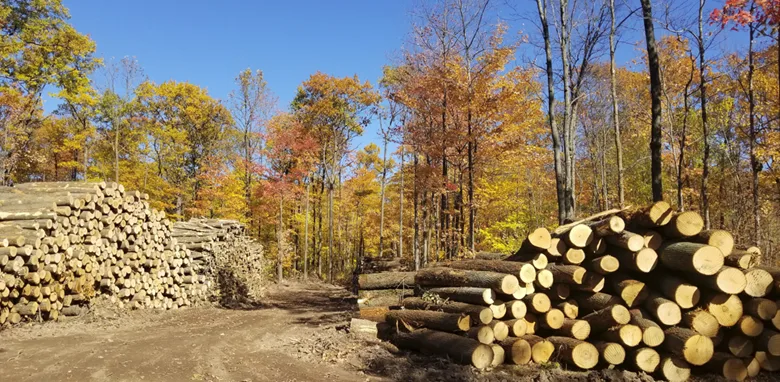
National Truck Driver Appreciation Week is a reminder not to take the contributions truck drivers make to our industry for granted, as I may have earlier in my career. A loaded log truck represents an important link connecting the entire supply chain. The industry’s transportation challenges will continue to evolve, but the path forward is clear: listen to drivers, foster stronger communication and relationships, strengthen coordination across the supply chain, rely on sound research, and support policies that improve safety and efficiency. This coming week, and every week, we thank professional truck drivers for their commitment and the essential role they play in moving our industry forward.
Sources
- Forest Resources Association, “Transportation.”
- Forest Resources Association, “Supplier–Consumer Workshops Help Manage Costs, Build Relationships.”
- Forest Resources Association, “Transportation: Weight Reform.”
- Forest Resources Association, “Keeping the Wood Supply Chain Moving: Why the Safe Routes Act Is Essential for Forestry Transportation.”
- Carson and Blinn, “An Assessment of the Safety and Efficiency of Log Trucks with Increased Weight Limits on Interstate Highways in Minnesota and Wisconsin.”
- Conrad, “Would Weight Parity On Interstate Highways Improve Safety and Efficiency of Timber Transportation in the US South?”
To participate in the American Trucking Associations’ #NTDAW celebrations, click here.