Logging with Purpose: How SFI Training Is Growing Across the United States
Walk into a forest near you, whether that is the rolling hardwoods of Tennessee or the towering pine stands of Minnesota, and something important is happening. You will hear chainsaws humming, crews talking through plans, and trucks carefully navigating haul roads. On the surface, it may look like everyday forest work. But behind the scenes, a much bigger story is unfolding.
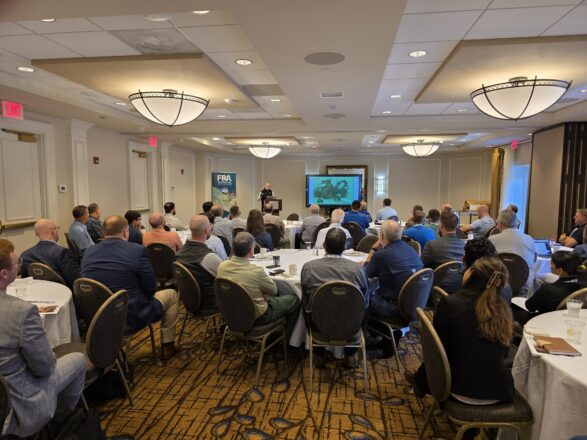
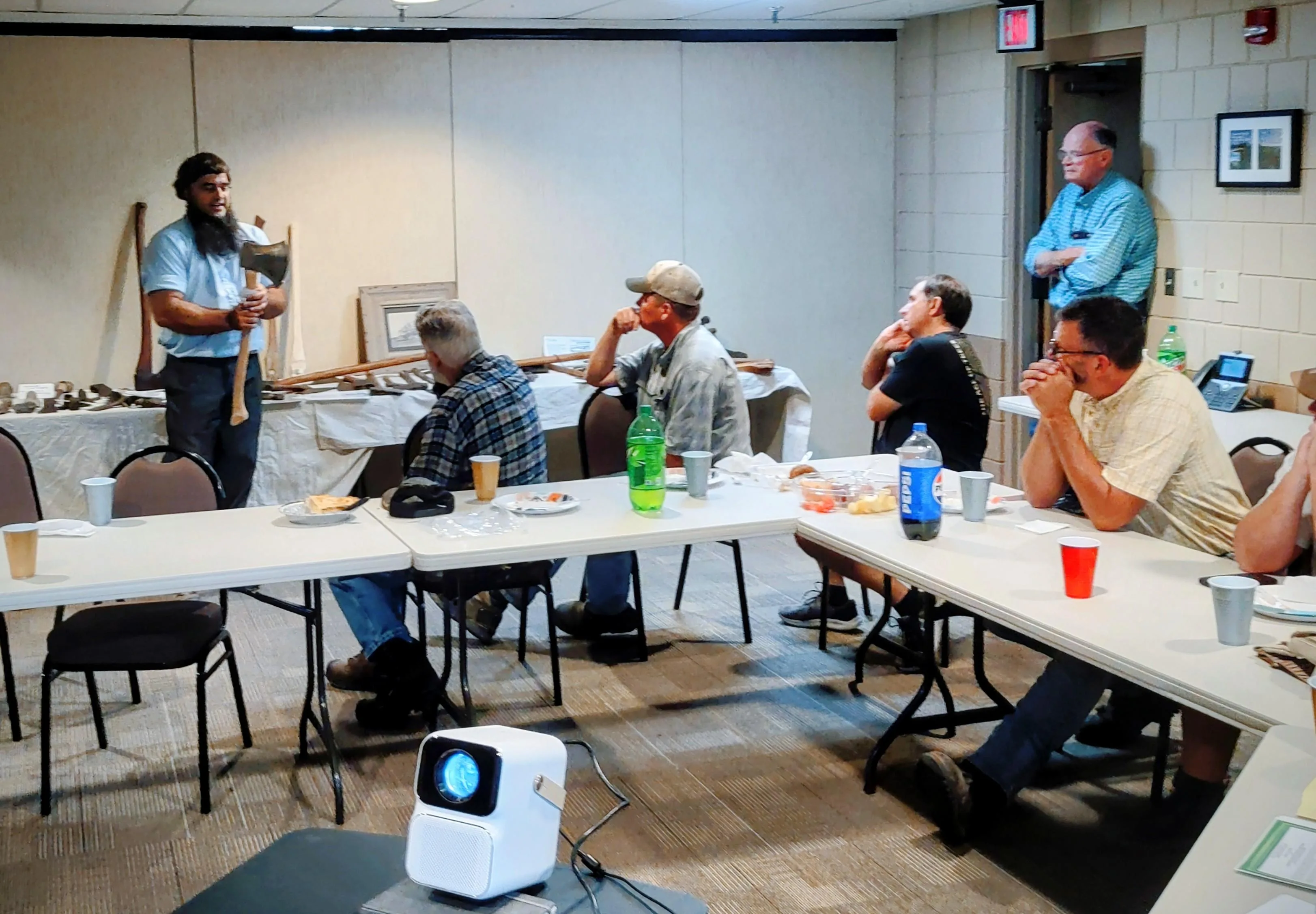
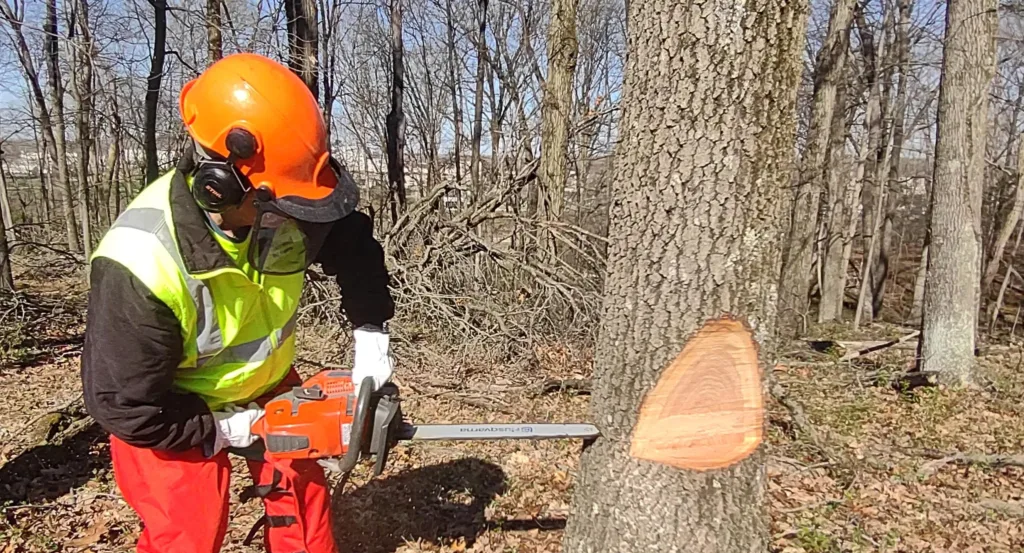
Across the country, loggers and forest professionals are participating in structured training and education programs through the Sustainable Forestry Initiative Logger Training and Education (SFI LT&E) effort. This isn’t just about learning new skills. It is about shaping the future of forestry.
At its core, SFI LT&E goes far beyond simply checking a box or meeting a requirement. It reflects a broader commitment to sustainable forestry that balances economic opportunity with environmental responsibility. This philosophy has guided SFI since its founding in the mid-1990s and continues to shape how training programs empower forestry professionals nationwide.
What Exactly Is SFI Logger Training and Education?
Let’s begin with the basics. Throughout North America, SFI programs receive support from a network of State Implementation Committees (SICs), local groups made up of forestry professionals, landowners, conservationists, industry leaders, and community partners. These SICs promote responsible forestry through education and training.
Each state designs its own logger education programs based on local forests, regulations, and industry needs. That means the programs look a little different depending on where you are, and the names are all unique to their state. Ohio has the Ohio Master Logger program. Virginia offers the SHARP or Sustainable Harvest and Resource Professional program. South Carolina runs the TOP or Timber Operations Professional program. Other states have their own versions with names that reflect local identity and priorities. The annual SFI Summary Reports refer to participants as Qualified Logging Professionals. Despite the variety in names and formats, these programs all share the same goal: to help the people who work in forests, especially loggers, learn how to harvest timber safely, responsibly, and sustainably.
Most state program curricula combine:
- Core training on sustainable forestry principles and best management practices that protect soil, water, and wildlife.
- Safety instruction that meets federal and state standards such as OSHA logging safety and first aid and CPR.
- Continuing education on topics like invasive species, climate adaptation, forest ecology, and public policy.
In some regions, loggers must complete a certain number of courses to meet program requirements and achieve professional status. In others, participation is voluntary but highly regarded. These programs serve as a mark of professionalism and often help loggers connect with mills and landowners who prefer working with trained professionals.
Why Ongoing Training Matters
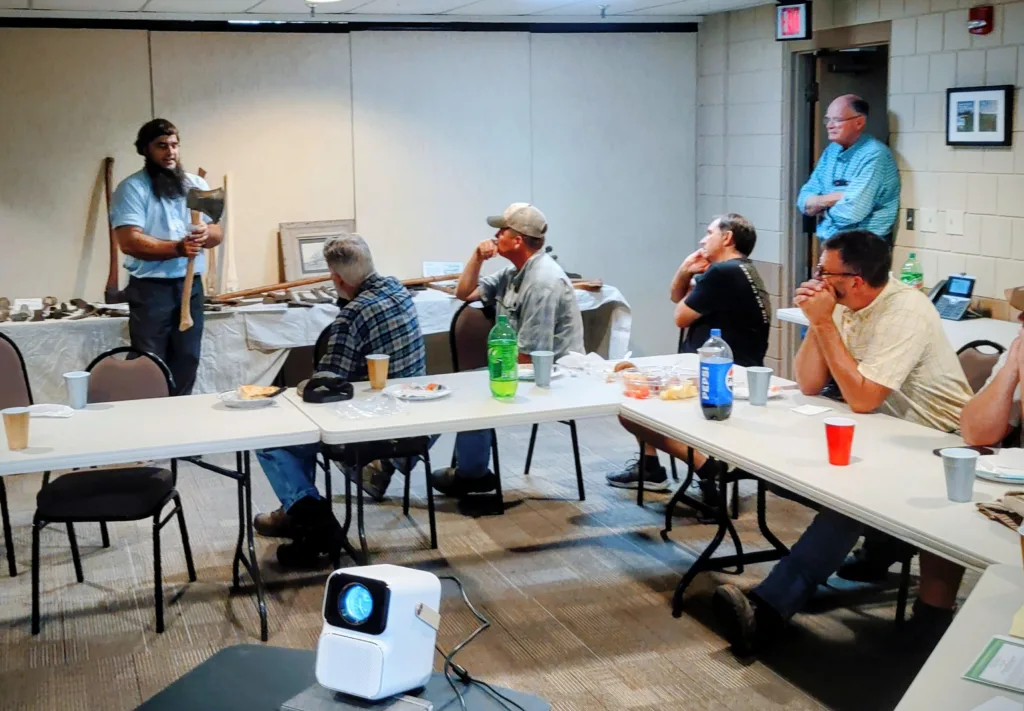
Even experienced loggers require ongoing training. Logging remains one of the most hazardous jobs in the country, and crews face risks from falling trees, heavy machinery, rough terrain, and remote job sites that can limit access to emergency services. Proper training in first aid, equipment safety, and hazard awareness isn’t just helpful; it saves lives.
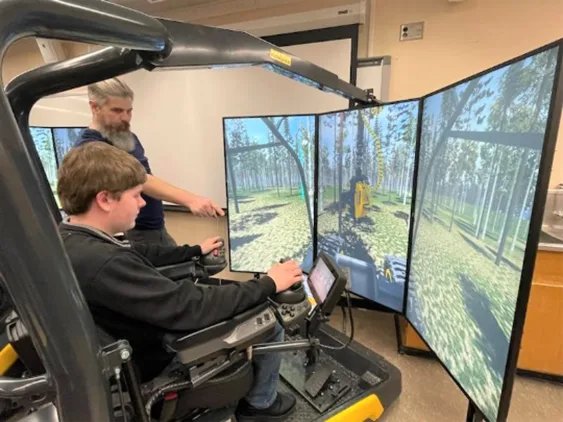
But safety is only part of the story. Training also helps loggers understand how their work affects the land. Best Management Practices educate crews how to protect streams, prevent soil erosion, preserve wildlife habitat, and maintain long-term forest health. In many states, loggers and foresters receive training on new tools and techniques that improve efficiency and help reduce environmental impact.
These efforts improve forest conditions, support biodiversity, and ensure that future generations will have healthy forests to work in and enjoy. And it is not just loggers who benefit. Many programs invite landowners, consulting foresters, conservation groups, and even municipal employees to attend certain courses.
For example, in Pennsylvania, SFI training includes workshops on identifying threatened species, managing invasive plants, and planning sustainable harvests. This broad approach brings together a wide range of people who all care about forests, even if they work in different roles.
And, taking it a step further, some SICs apply for grants to bolster their programs. For instance, the PA SIC received a grant from the FRA-administered National Timber Harvesting and Transportation Safety Foundation (www.loggingsafety.com) to develop an online training option for loggers to meet their core requirements, while improving efficiency and productivity.
The Bigger Picture: A Grassroots Movement
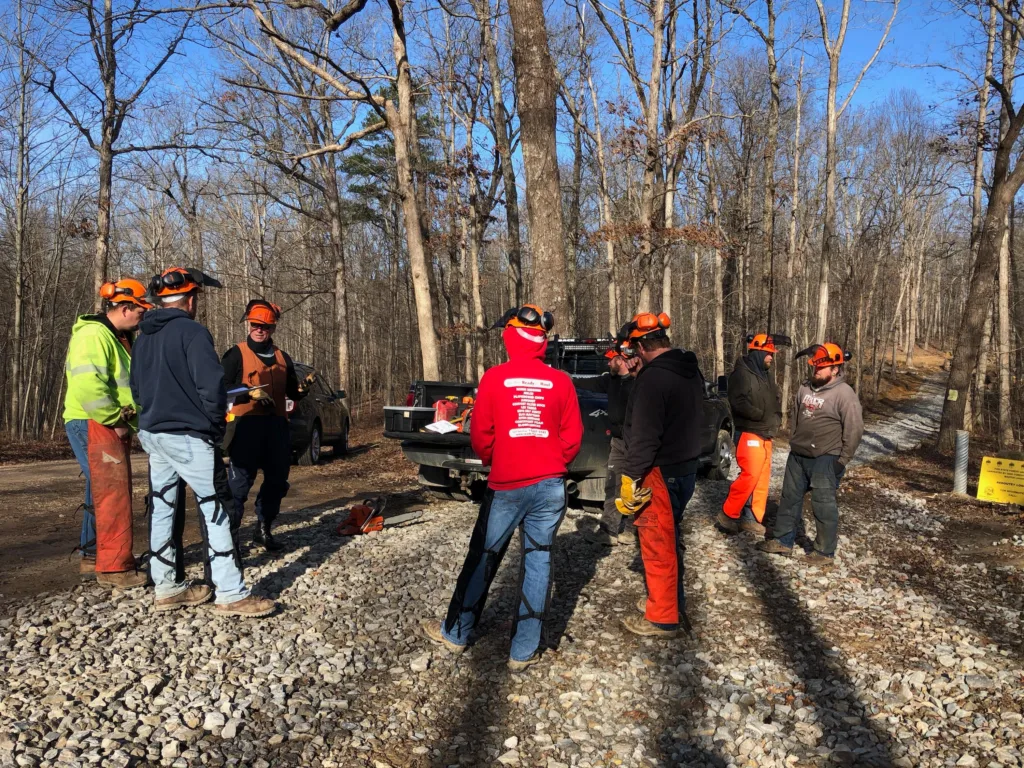
SFI LT&E stands out for its local focus. States design training specific to their forests, laws, and communities rather than following a single national program. In Louisiana, there are intensive multi-day core programs. In Maine, workshops focus on best management practices. In the Midwest, chainsaw safety and equipment training are common.
Every region looks different, but they are all connected by the same commitment to sustainability and professional excellence. Many programs also require continuing education, which encourages forestry professionals to keep learning as science, technology, and regulations evolve. This combination of foundational knowledge and lifelong learning helps maintain both safety and environmental responsibility throughout the timber supply chain.
Just as important, these programs build relationships. They bring together loggers, foresters, landowners, conservationists, and state agencies in the same room or the same forest. Over time, this creates trust, shared understanding, and a stronger forestry community- from which we all benefit.