Building a Stronger Future: Timber Professionals Cooperative Enterprises
In the fall of 2019, Wisconsin logger Dennis Schoeneck, owner of Enterprise Forest Products in Rhinelander, Wisconsin, traveled to Arizona to evaluate a member-owned cooperative. Dennis later joined the board of that effort, an experience that would prove to be a critical precursor for what followed.
Shortly thereafter, amid the COVID-19 pandemic in 2020, Verso Corporation announced the pending closure of its Wisconsin Rapids facility, sending shockwaves through the regional forest products industry. Soon after the announcement, Dennis Schoeneck, Henry Scheinebeck of the Great Lakes Timber Professionals Association (GLTPA), and Don Peterson of Renewable Resource Solutions, LLC, attended a FISTA board meeting where serious discussions began about the possibility of purchasing the mill. To make such an effort viable, an organized structure was needed. Drawing on Dennis’s experience with member-owned cooperatives, the concept for Timber Professionals Cooperative Enterprises (TPCE) was born.
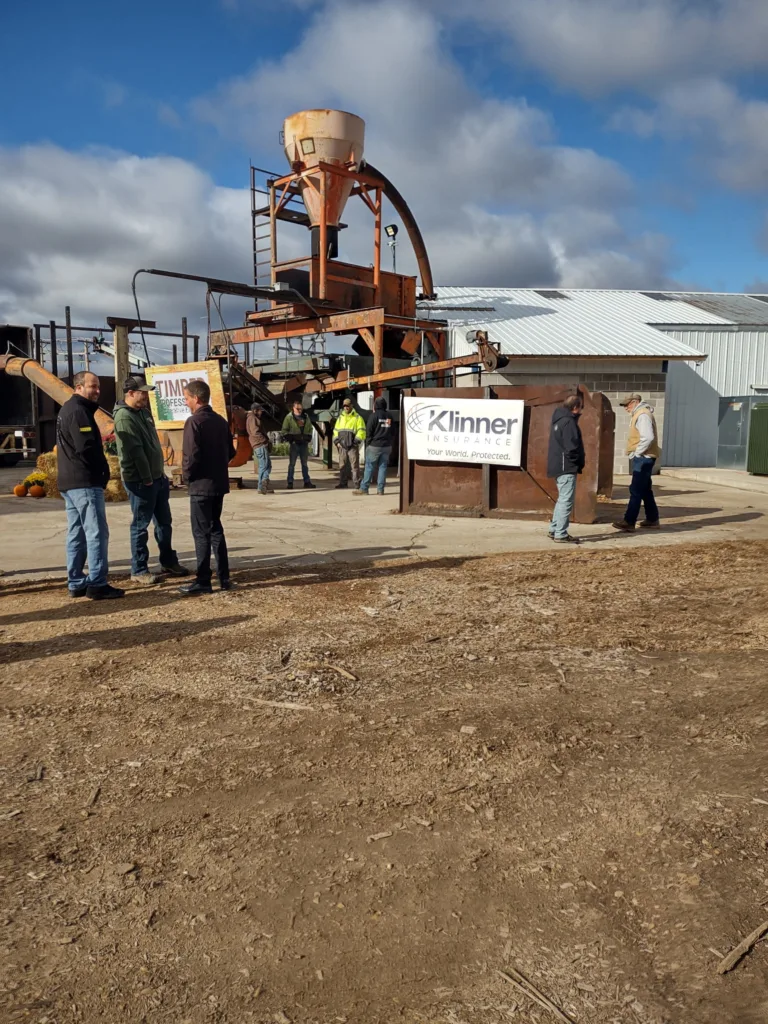
Once the idea was formed, TPCE moved quickly. GLTPA consists of seven regions, and Dennis and others visited each one to present the cooperative’s vision and discuss the potential mill purchase. From these meetings, seven volunteer board members emerged to help launch the cooperative.
Margaret Bau of the USDA, widely recognized as one of the nation’s leading cooperative experts, became an early and influential supporter. After meeting with the founding members, she affirmed that the concept was well suited to a cooperative model and helped guide TPCE through the regulatory and administrative steps required for formation. TPCE was officially established in August 2020.
From the outset, TPCE defined its vision around cooperative ownership and the vitality of communities, local businesses, and individuals. The cooperative was created to allow loggers and truckers to participate in business ownership and operate under cooperative values, giving workers greater control over their future and improving long-term viability. The long-term goal was to explore opportunities to acquire or develop forest industry businesses that directly impact the livelihoods of loggers and truckers.
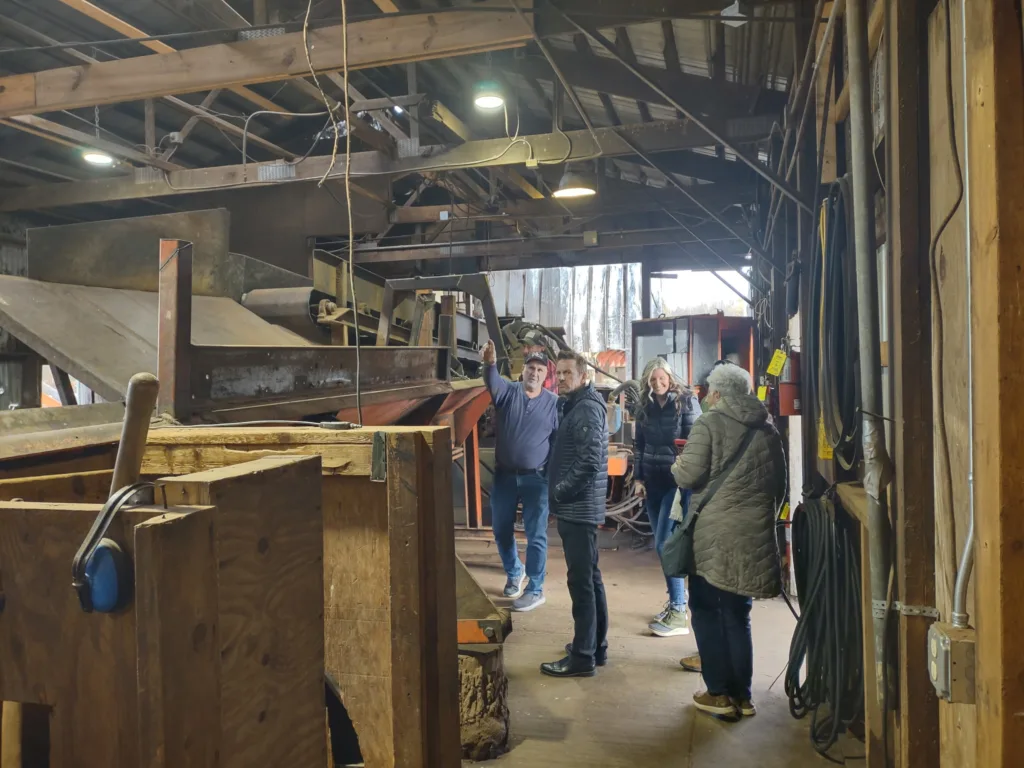
In the five years since its formation, TPCE has evaluated multiple opportunities. Shortly after its creation, the cooperative pursued both the Wisconsin Rapids and Park Falls mills in Wisconsin. TPCE met with Verso and made several offers, attracting interest from companies around the world interested in partnering with a cooperative built around wood suppliers and local relationships. Despite submitting three offers, the Wisconsin Rapids mill was ultimately sold to another buyer. TPCE also came close in its pursuit of the Park Falls facility but was unable to complete the acquisition. While unsuccessful, these efforts provided valuable experience and helped position the cooperative for future success.
Following those efforts, a new opportunity emerged in Tilleda, Wisconsin, the former Hoffman Wood Fiber LLC sawmill in Shawano County. TPCE spent nearly three years working toward the acquisition, overcoming numerous challenges along the way. The facility’s smaller size meant a more limited immediate impact on members compared to earlier opportunities, and momentum slowed after previous unsuccessful bids. During this period, the cooperative also lost Don Peterson, a passionate advocate for the industry and a key supporter of TPCE’s early development. Board members, all business owners themselves, faced the ongoing challenge of balancing cooperative responsibilities with their own operations.
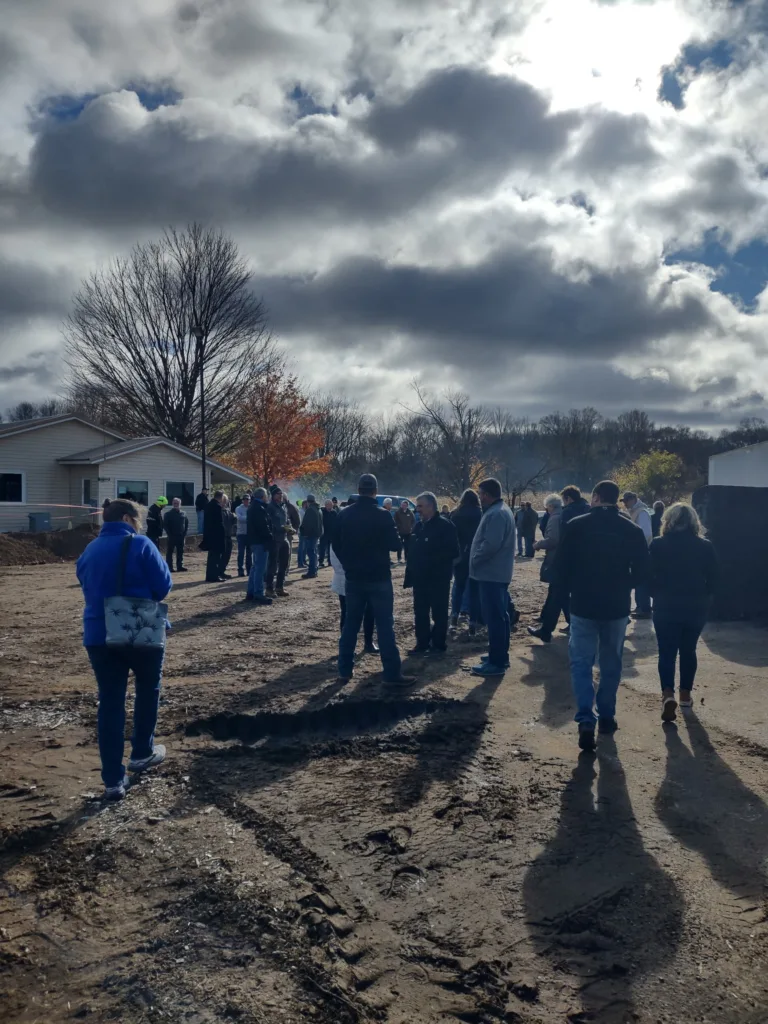
Despite these obstacles, TPCE maintained its organizational structure and retained a federal grant secured earlier in the process. Support from partners, including the USDA, remained strong. Momentum shifted when Laura Delaney joined TPCE as Industry Liaison. A Certified Master Logger with Delaney Forest, LLC, in Warrens, Wisconsin, Laura quickly led fundraising efforts necessary to move the Tilleda acquisition forward.
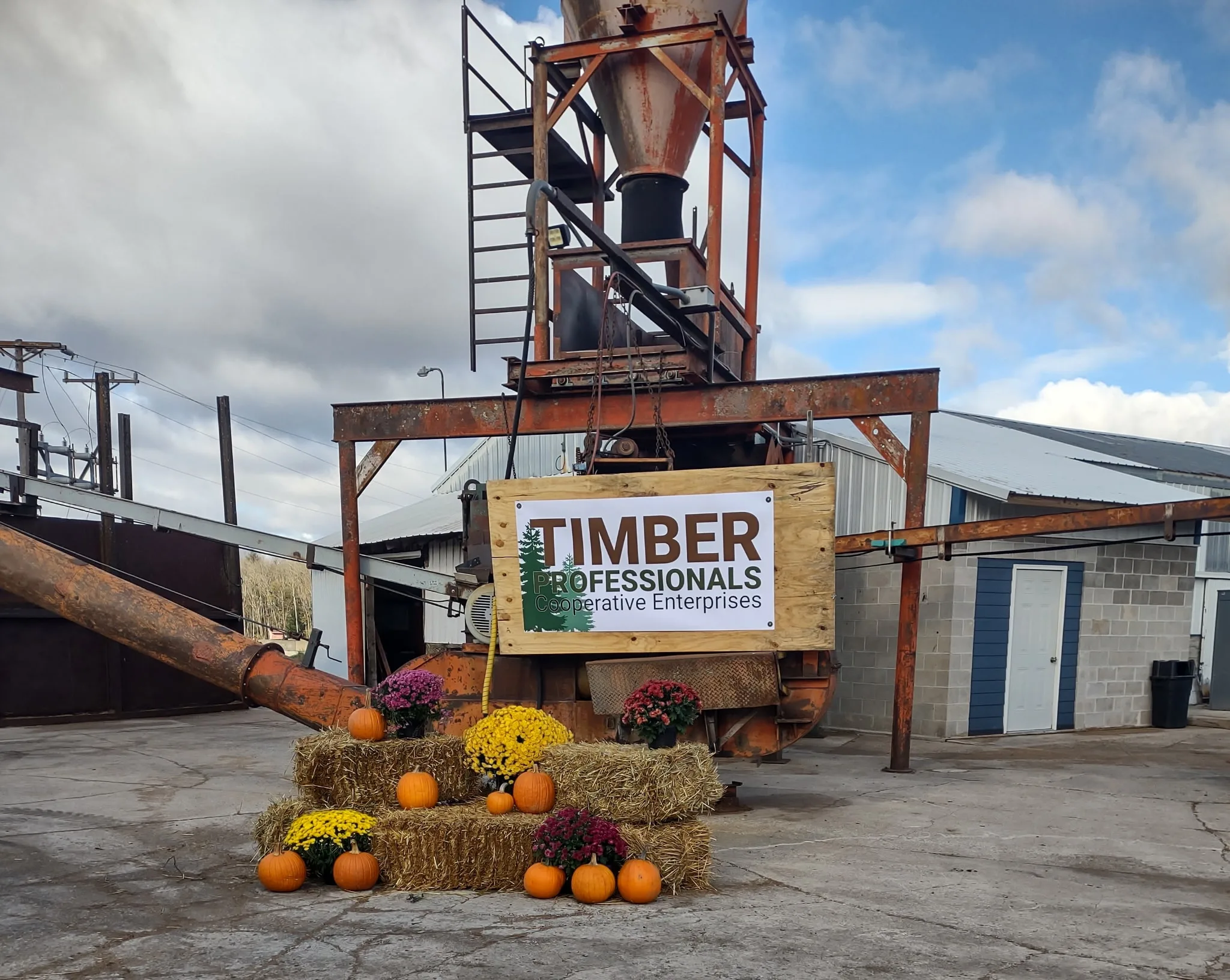
When TPCE first evaluated the Tilleda mill, members described it as a “diamond in the rough.” Following extensive due diligence, TPCE successfully purchased the facility in September 2025. AbbyBank of Wausau played a key role as a commercial lending partner, and the cooperative utilized a USDA Rural Development loan through the Timber Production Expansion Guaranteed Loan Program (TPEP) to complete the transaction.
The purchase marked a major milestone for TPCE. Several months of preparation followed before operations began, with Dennis Schoeneck’s company delivering the first loads to the mill in November. As expected with any new venture, operations have included both successes and challenges. Equipment issues and ongoing cleanup of the 49-acre site have required continued attention, while staffing and cultural alignment efforts continue as the cooperative works to optimize performance.
The current focus at Tilleda is improving efficiency, expanding the customer base, and exploring opportunities for higher-value products. The initial goal is to increase production from 2,500 to 4,000 tons per month, with longer-term plans to potentially double that output as operational efficiencies improve.
As TPCE evolves, it continues to develop its long-term vision. Opportunities that align with the cooperative’s mission remain under consideration, including forestland acquisition, rail cars and short-line opportunities, member benefits such as retirement plans and health insurance, fuel stations, and truck maintenance facilities. While Wisconsin and Michigan are currently the primary focus areas, any initiative that strengthens membership across the Great Lakes region may be considered.
Membership growth remains central to TPCE’s future. The core membership consists of logging and trucking firms, though foresters and other industry participants may apply and be accepted if their involvement supports the cooperative’s mission. The board reviews all applications to ensure eligibility requirements are met. Members pay annual dues and must maintain compliance with cooperative standards.
Now past its five-year anniversary, TPCE’s journey has included challenges, near successes, and a significant achievement with its first acquisition. Countless hours of effort have gone into building the cooperative. As the first member-owned cooperative in the country to purchase a facility of this kind, TPCE has already inspired similar efforts in other regions. Its story reflects resilience, perseverance, and a shared commitment to a new vision for the future of the forest products industry. As Dennis Schoeneck notes, the effort is ultimately about supporting the long-term viability of an industry that so many are passionate about.