Keeping Knowledge Alive: Mentorship as a Workforce Strategy

“The true meaning of life is to plant trees, under whose shade you do not expect to sit.” — Nelson Henderson.
January’s National Mentoring Month offers a perfect moment to recognize something everyone in the forest sector knows instinctively: no one succeeds in this industry alone. Forestry is a profession built on knowledge passed hand‑to‑hand, season‑to‑season, and generation‑to‑generation. Whether in the woods, in the mill, or in the cab of a truck hauling a load to market, mentors are the quiet force that keeps our workforce strong, safe, and future‑ready.
Forestry is a field where experience is everything. You can learn silviculture in a classroom, but you learn judgment from someone who has walked the stand before you. You can read a manual on equipment operation, but you learn how to run a machine efficiently and safely from someone who has done it for decades. You can study markets, but you understand the rhythm of the supply chain by working alongside people who live it every day. Mentorship programs are among the most effective tools for developing a trained and reliable workforce and preparing the next generation of leaders.
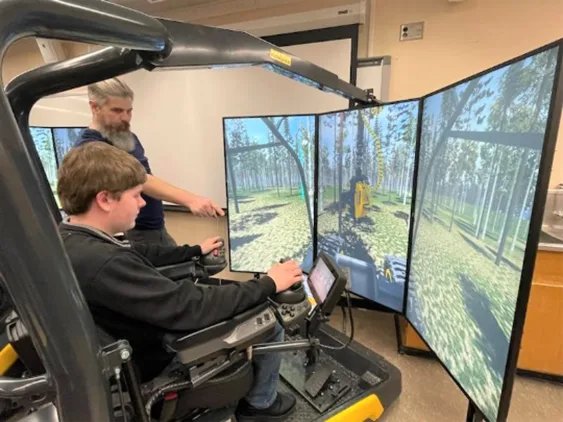
Across the wood supply chain, experienced mentors play an essential role in teaching employees about hands-on expertise, best management practices, and safety protocols. They provide real-time guidance, reinforce critical measures that may not be fully captured in handbooks, and model safe operating procedures. Mentors help bridge the gap between theory and practice.
They:
- Build confidence in new foresters, loggers, and mill workers stepping into demanding roles.
- Transfer critical skills that keep operations safe and productive.
- Model professionalism, from negotiations to building relationships.
- Strengthen retention, especially for young workers entering a competitive labor market.
- Preserve institutional knowledge that might otherwise be lost as seasoned professionals retire.
In a sector facing workforce shortages and increasing technical demands, mentorship isn’t just helpful, it’s essential.
Research underscores the value of these developmental relationships. A Randstad study found that connecting employees with mentors reduced turnover by 49%, allowing companies to reinvest in employee development. Effective mentorship programs also support upskilling and reskilling, strengthen company culture, and boost engagement.
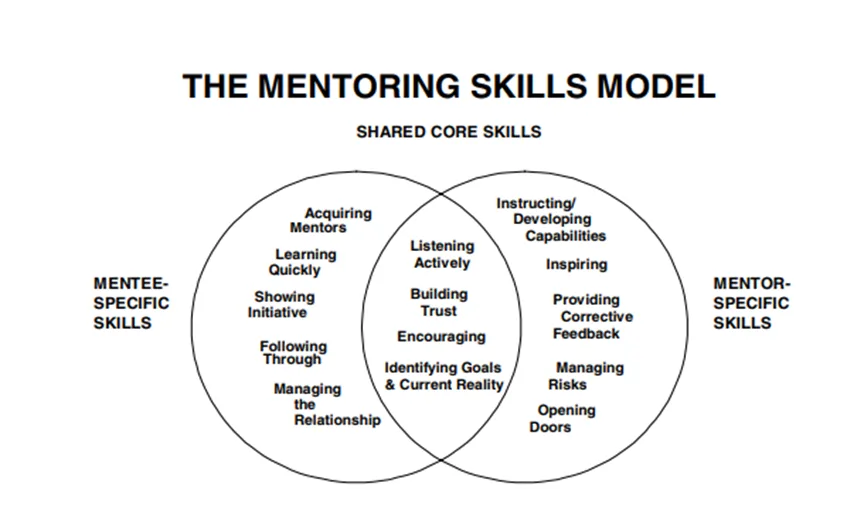
Mentorship benefits both sides of the relationship. Those serving as guides report improved coaching and feedback skills, expanded professional networks, deeper organizational insight, and personal satisfaction from supporting others. Mentees benefit from increased confidence, stronger networks, enhanced critical thinking skills, and practical guidance for navigating workplace and career challenges. Successful programs depend on thoughtfully pairing experienced leaders with developing professionals, ensuring that both bring the appropriate skills and commitment to the relationship.
FRA’s Emerging Leaders Program, while not a traditional mentorship model, incorporates the same core principles of connection, guidance, and knowledge transfer by pairing emerging professionals with seasoned industry executives through virtual sessions led by Certified Professional Coach and former FRA President Deb Hawkinson. Participants also receive individualized coaching on career development, communication, time management, and planning for future advancement. These efforts strengthen individuals, organizations, and the broader industry by preserving institutional knowledge and preparing the next generation of leaders. We currently have limited openings for our spring and fall Emerging Leaders program. If you’d like to learn more, please click here.
January’s #NationalMentorMonth is a timely reminder that mentorship is a career-long commitment, and by “planting trees” today through intentional development, companies help build a stronger, safer, and more resilient workforce for the future.
FRA’s Commitment to Workforce Development
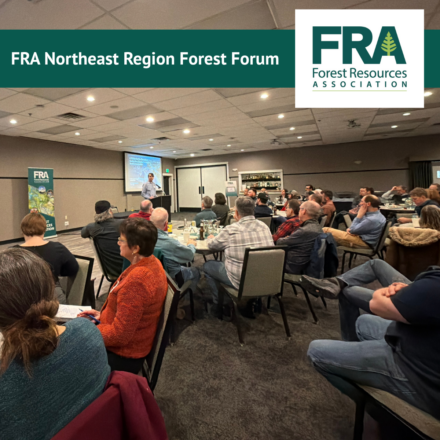
FRA members consistently highlight workforce development as a top priority, and mentorship is at the heart of that effort. Through our committees, regional meetings, and training programs, we help connect members, share best practices, and elevate the importance of developing the next generation of forestry professionals.
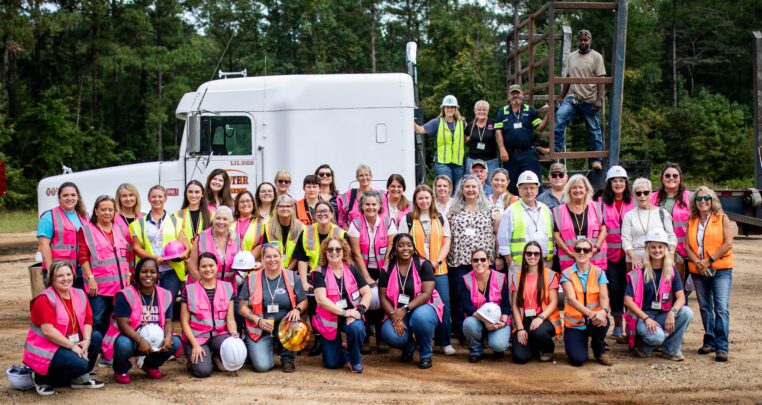
As we celebrate National Mentoring Month, we celebrate the FRA members who take the time to coach a new employee, share a lesson learned, or help someone find their footing in this industry. Those moments shape careers, strengthen companies, and sustain the entire wood supply chain.